In a dramatic diplomatic pivot, U.S. President Donald Trump has invited Colombian President Gustavo Petro to the White House. This overture comes mere days after Trump publicly threatened the South American nation with a potential military strike.
A Swift Change in Tone
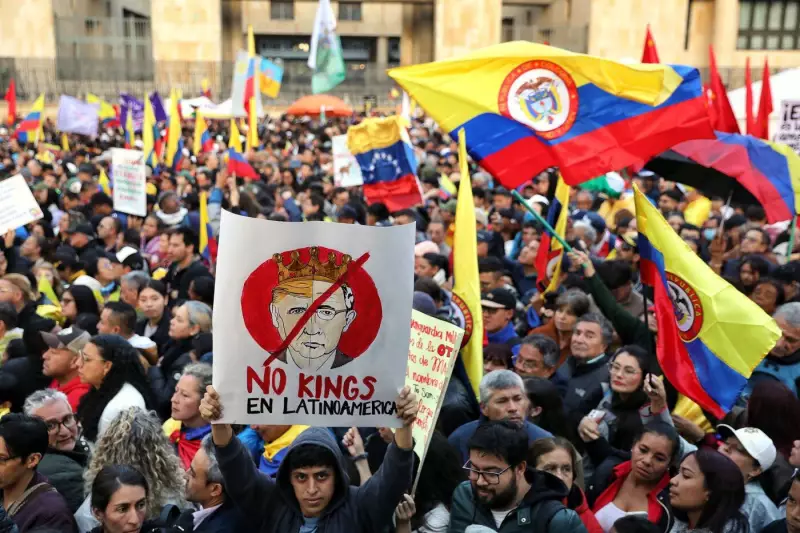
The invitation marks a significant and rapid shift in rhetoric from the American administration. The initial threat, which had escalated tensions between the two long-standing allies, was met with immediate and forceful condemnation within Colombia. On Wednesday, January 7, 2026, President Petro's supporters attended a rally he called in the capital of Bogota specifically to protest Trump's comments.
The rally, captured in a photograph by Santiago Saldarriaga, underscored the domestic political pressure on Petro following the U.S. president's alarming statement. The sudden transition from saber-rattling to an invitation for dialogue has left many observers analyzing the strategic motivations behind the move.

Context and Regional Implications
While the specific catalyst for Trump's original threat was not detailed in the initial report, it fits a pattern of his administration's foreign policy approach, often characterized by public pressure tactics. The invitation to the White House suggests a potential de-escalation, or possibly a new phase of negotiations under a different tone.
This diplomatic incident occurs against a backdrop of other significant international moves by the Trump administration. Reports indicate the U.S. will exit dozens of international organizations as it continues a broader retreat from global cooperation frameworks. Furthermore, the U.S. energy secretary has stated that Washington intends to control Venezuelan oil sales ‘indefinitely,’ highlighting the complex geopolitical dynamics in the region that involve Colombia.
Analysis and Forward Look
The abrupt change from threat to invitation raises questions about the future of U.S.-Colombian relations. President Petro, who leads a government with distinct political perspectives from previous Colombian administrations, now faces a critical diplomatic decision. Accepting the invitation would place him in direct, high-stakes talks with a president who has already demonstrated a willingness to use aggressive language.
For the United States, the move could be seen as an attempt to recalibrate a key partnership in Latin America after a self-inflicted crisis. The outcome of this proposed meeting could have substantial implications for regional security, drug interdiction policies, and economic cooperation. The world will be watching to see if this White House invitation leads to a mending of fences or merely serves as a pause in a volatile relationship.