Trump's Iran Campaign Exposes Europe's Strategic Leverage Amid Strained Relations
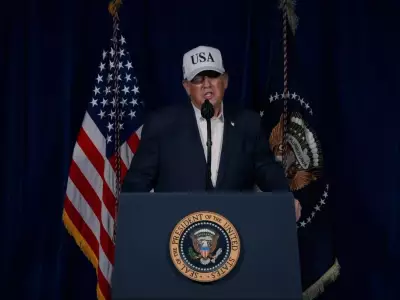
After years of publicly criticizing European nations as complacent allies hiding under America's security umbrella, President Donald Trump now finds himself in need of their military infrastructure for his open-ended campaign in Iran. This shift highlights a fundamental reality in transatlantic relations: Europe retains significant strategic leverage through its bases, airspace, and geography, even as it remains heavily dependent on U.S. security guarantees through institutions like NATO.
European Bases Become Critical to U.S. Military Operations
Trump's frustration with European leaders reflects the practical necessities of modern warfare. America projects power into the Middle East most effectively when it can utilize allied geography—including logistics hubs in Germany, air bases in Britain, naval facilities in Spain, and overflight permissions that allow aircraft to move without friction. These assets have become indispensable to the Iran campaign, despite Trump not having built a formal coalition for the military operation.
The United Kingdom controls facilities such as RAF Fairford, while Spain hosts crucial bases at Rota and Morón. In sustained military operations, these sites determine how quickly the U.S. can move aircraft, fuel, and munitions into theater and how long it can maintain the campaign. Defense Secretary Pete Hegseth recently indicated that initial disagreements with European allies had been overcome and that U.S. forces positioned at allied bases would play an increasingly significant role as the conflict continues.
Political Tensions and Changing Dynamics
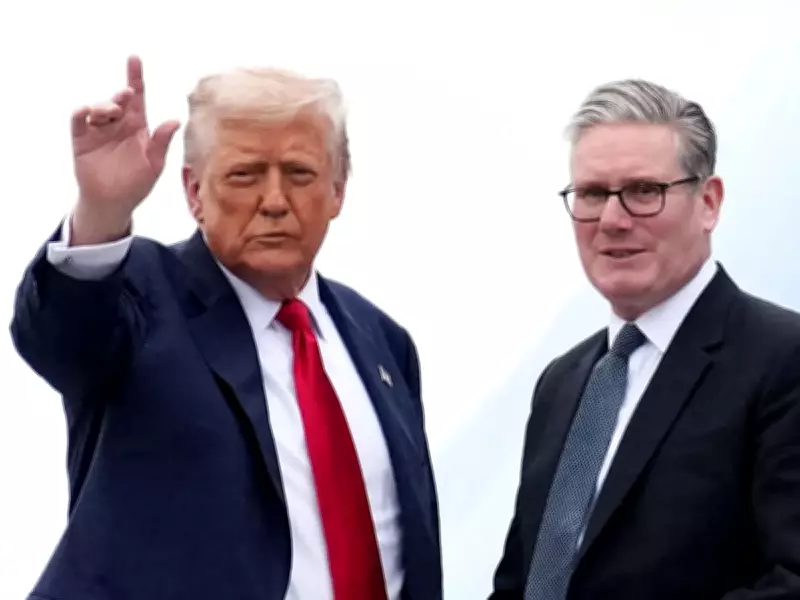
Deeply unpopular across much of Europe and facing growing political strain at home a year into his second term, Trump no longer commands the reflexive deference he once enjoyed from European leaders. This week, he mocked U.K. Prime Minister Keir Starmer as "not Winston Churchill" and threatened to cut off trade with Spain after both countries placed limits on facilitating U.S. military operations in Iran. Yet both leaders held their ground, demonstrating a new dynamic in the relationship.
"It's a signal of the erosion of trust—the U.S. is paying a price for not having shown solidarity with allies, and now he can be an inconsistent beneficiary of their support," said Ian Lesser, distinguished fellow at the German Marshall Fund of the United States. "The U.S. needs strong allies; you never know when you will need them. And the U.S. doesn't know where this conflict is headed."
Historical Context and Current Implications
Since the Second World War, the U.S. military presence in Europe has allowed Washington to project power into the Middle East and North Africa—routing troops through Ramstein in Germany and the U.K.'s Diego Garcia in the Indian Ocean during the wars in Iraq and Afghanistan. This historical reliance now creates a complex situation where Trump's past scorn for allies has become a practical hurdle as he takes a more interventionist turn in foreign policy.
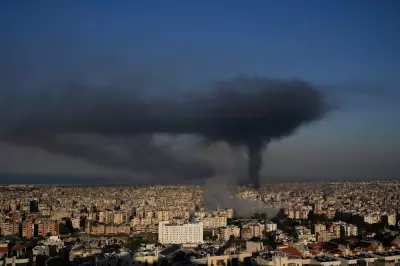
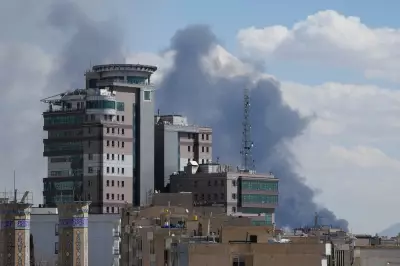
Despite their reticence, European nations are already being drawn into the conflict. After a U.K. base on Cyprus was hit by a drone on Sunday, France, the U.K., and Greece moved to defend the tiny EU member. This response underscores how European nations sit astride some of the most valuable real estate available to the U.S. military, creating unavoidable entanglement in Middle Eastern conflicts.
For leaders like Prime Minister Keir Starmer, the lesson has been that charm offensives buy only temporary calm in volatile relationships with President Trump. Many European governments remain wary of a complete rupture with Washington, but they now operate from a position of increased leverage as Trump's military ambitions collide with practical logistical requirements that only European cooperation can fulfill.