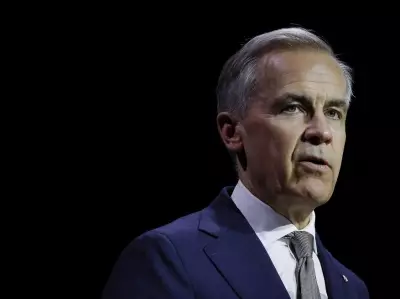
Former United States President Donald Trump has made a stark declaration regarding the Arctic territory of Greenland, stating that anything less than having it under American control is 'unacceptable'. The comments were reported on January 14, 2026, reigniting discussions about U.S. geopolitical ambitions in the North.
A Renewed Focus on Arctic Sovereignty
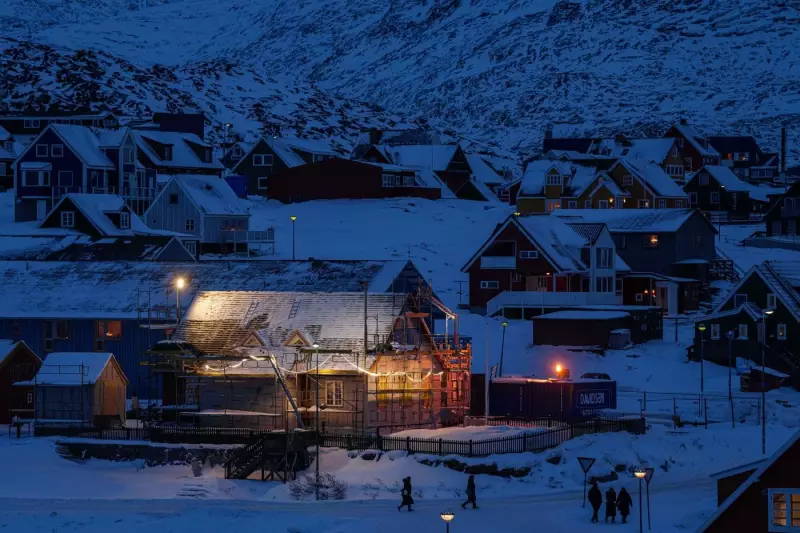
The statement from the former president underscores a persistent interest in Greenland's strategic and resource-rich landscape. While not an official policy position of the current U.S. administration, Trump's words carry significant weight in political discourse and highlight ongoing tensions in the Arctic region. The report coincided with an AP photograph depicting daily life in Nuuk, Greenland's capital, on January 13, 2026, providing a contrast between local reality and high-stakes geopolitical rhetoric.
Context and Historical Precedent
This is not the first time Greenland has been a focus of American acquisition interest. During his presidency, Trump publicly floated the idea of purchasing the autonomous Danish territory, a proposal that was swiftly and firmly rejected by both Danish and Greenlandic officials. His latest comments suggest a continued view of the island as a critical asset for the United States. The declaration was made amidst a flurry of other news, including domestic Canadian issues ranging from housing concerns to international trade disputes.

Implications for International Relations
Such a statement has immediate ramifications for international diplomacy, particularly with Denmark, which handles Greenland's foreign and defense policy, and with other Arctic nations like Canada and Russia. It challenges the established sovereignty of a key partner and ally. Furthermore, it brings attention to the increasing global competition for influence and resources in the rapidly changing Arctic, where climate change is opening new shipping routes and access to mineral deposits.
Analysts suggest that while an actual acquisition remains highly improbable, the rhetoric itself can destabilize diplomatic relations and influence broader discussions about security and environmental stewardship in the Far North. The people of Greenland, who have their own parliament and self-rule, have consistently expressed a desire to determine their own future, making any external claim on their homeland a deeply sensitive issue.