Trump's Evolving Justifications for Iran Military Action Create Widespread Confusion
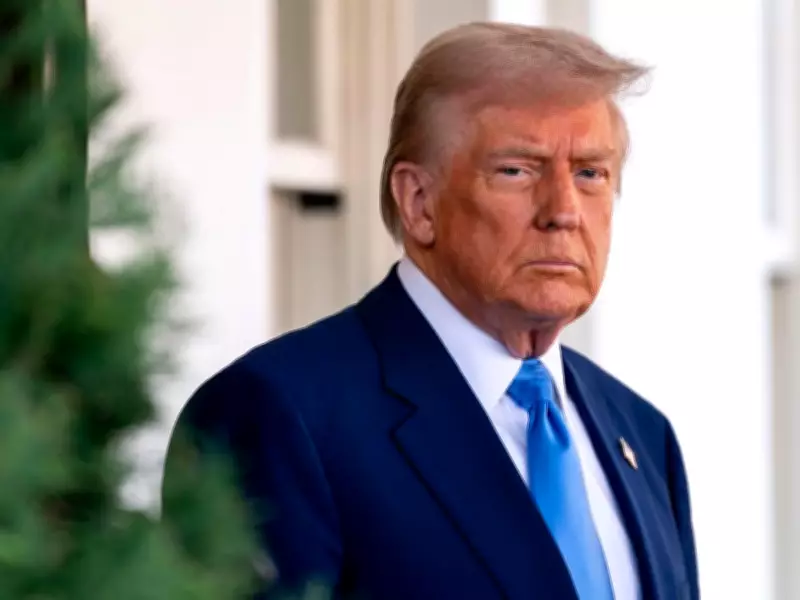
As the United States enters another military conflict in the Middle East, President Donald Trump has offered a series of shifting and sometimes contradictory explanations for why he launched attacks against Iran, leaving both critics and allies struggling to understand the administration's strategic objectives.
Multiple Rationales in Rapid Succession
In just three days since initiating hostilities from his Mar-a-Lago estate in Florida, Trump has cited numerous justifications for American military action. These have included regime change in Tehran, stopping Iran's ballistic missile program, supporting Iranian protesters, and retaliating for American soldier deaths. The president has framed the conflict as everything from a campaign against a "bloodthirsty" regime to an epic cultural battle against a nation he claims has "waged war against civilisation itself."
On Monday evening, Secretary of State Marco Rubio provided yet another rationale, telling reporters that the United States knew Israel was poised to attack Iran and that Tehran would retaliate against American interests. "We knew that if we didn't preemptively go after them before they launched those attacks, we would suffer higher casualties," Rubio explained to congressional reporters, with Republican House Speaker Mike Johnson later repeating the same claim.

Escalating Conflict with Significant Consequences
The rapidly expanding military engagement has already produced serious consequences. According to Red Cross reports, hundreds of Iranians have been killed in the conflict, along with six American soldiers, with President Trump acknowledging that more U.S. casualties are likely. The war has destabilized global oil markets and brought a vital international shipping lane to a near standstill, sending energy prices sharply higher.
Combat operations have seen three U.S. fighter jets downed by friendly fire over Kuwait, while Iranian retaliatory attacks have targeted cities including Dubai and Gulf states' energy infrastructure. The conflict represents the second joint U.S.-Israeli attack on Iran in just eight months, following last summer's 12-day war during which Trump claimed American forces had "obliterated" Iran's nuclear sites.
Unclear Timeline and Objectives
Trump's timeline for the conflict has shifted dramatically since hostilities began. When announcing the killing of Iran's supreme leader on Sunday, the president stated that "heavy and pinpoint" bombing would continue "uninterrupted throughout the week." By Monday, he had extended that projection significantly, telling CNN that operations could last four to five weeks or longer. "Whatever it takes," Trump declared. "We haven't even started hitting them hard."
In the White House's East Room on Monday, Trump added another objective to the growing list, stating that American goals included stopping Iran from supporting "terrorist proxy groups abroad." The president has not sought congressional authorization for the military action, further complicating the legal and political landscape surrounding the conflict.
Political Reactions and Strategic Concerns
The constantly changing rationales have drawn sharp criticism from political opponents. Democratic Congressman Jake Auchincloss told the Financial Times that the president had given "four different rationales for the war in the last 72 hours." He questioned how military forces could effectively execute their mission without strategic clarity, asking rhetorically: "Who could take that kind of commander-in-chief seriously?"
The confusion extends beyond domestic politics to international relations, as allies and adversaries alike attempt to discern American intentions in a rapidly escalating regional conflict that shows no signs of immediate resolution. As the situation continues to develop, the lack of consistent messaging from the White House raises questions about long-term strategy and the potential for further escalation in an already volatile region.