In a significant diplomatic statement, the United Nations has formally declared that the United States maintains a legal obligation to continue funding its agencies. This pronouncement comes in direct response to the previous administration's decision to withdraw from several key international bodies.
The Core of the Legal Argument
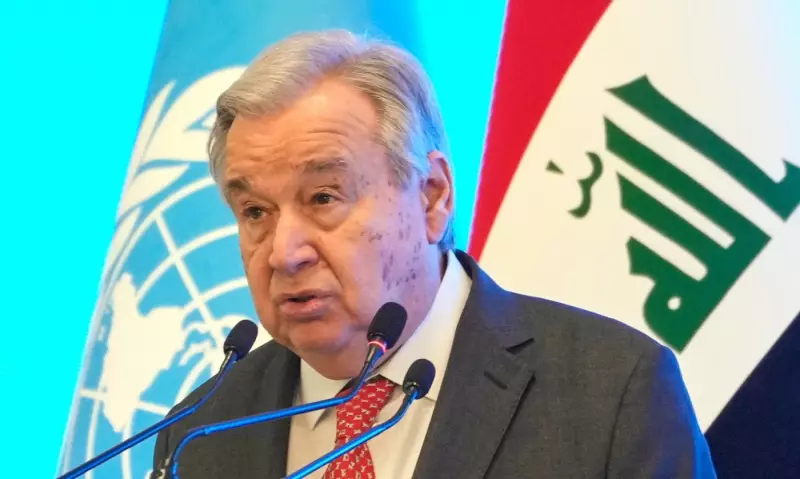
United Nations Secretary-General Antonio Guterres articulated this position, emphasizing that past financial commitments and treaty obligations create a binding duty on member states. The statement, made public, underscores that a nation's participation in the international order is not solely discretionary but is underpinned by established legal frameworks. The UN's stance suggests that withdrawing from an organization does not automatically nullify pre-existing financial responsibilities accrued during membership.
The context for this declaration is the series of withdrawals initiated by the former Trump administration from various UN-affiliated programs and treaties. While the specific agencies were not all named in the initial report, such moves historically included exits from entities like the UN Human Rights Council and the World Health Organization, though some were later reversed.

Implications for Global Governance and Diplomacy
This development places a sharp focus on the mechanics of international law and the consequences of unilateral action by major funders. The United States has traditionally been the largest contributor to the UN's regular budget, and any sustained withholding of legally obligated funds could cripple essential humanitarian, health, and development programs worldwide.
The UN's public assertion of a legal obligation is a robust diplomatic tool, shifting the debate from one of political preference to one of legal compliance. It challenges the notion that funding is purely a voluntary donation, framing it instead as a requisite component of treaty adherence and membership in the global community.
Looking Ahead: Potential Repercussions
The statement from Secretary-General Guterres, delivered in late December 2025 and reported in early January 2026, sets the stage for potential legal and diplomatic discussions. It may influence ongoing negotiations and could be cited in future budgetary disputes between the U.S. and the international body. For other member states observing, it reinforces the principle of collective financial responsibility.
Ultimately, this move by the UN leadership defends the institutional and financial integrity of multilateralism. It signals that the architecture of global cooperation, built over decades, relies on the consistent and reliable fulfillment of commitments by all nations, especially its most powerful members.