U.S. Details Allegation of Chinese Nuclear Test, Urges Global Disarmament Efforts
The United States has formally shed light on its serious allegation that China conducted a nuclear test, marking a significant escalation in diplomatic tensions between the two global powers. In a detailed statement, U.S. officials presented evidence and called upon nations across the world to renew and strengthen their commitments to nuclear disarmament. This development comes at a time of heightened geopolitical friction, with implications for international security frameworks and non-proliferation treaties.
Escalating Diplomatic Tensions
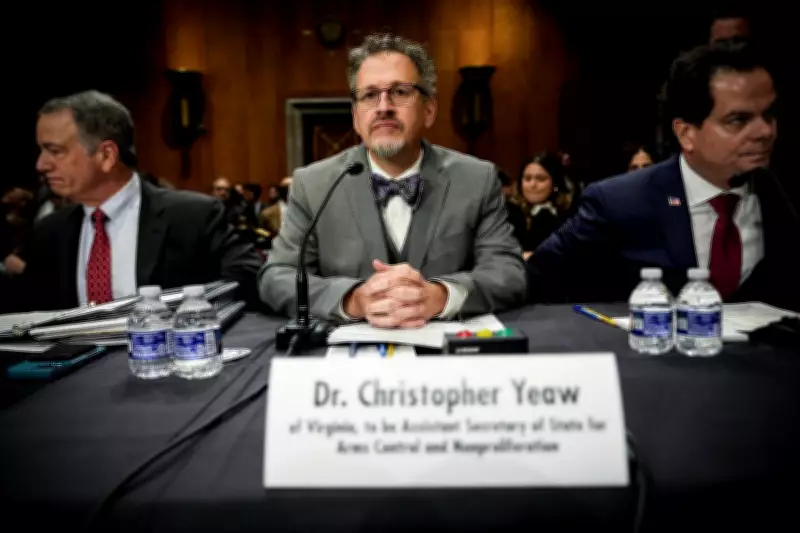
The allegation, which has been under scrutiny for several months, was brought into sharp focus during recent congressional hearings. Christopher Yeaw, a nominee for assistant Secretary of State, addressed related concerns during his confirmation proceedings, highlighting the administration's growing apprehension over nuclear activities. The U.S. claims that the alleged test violates longstanding international agreements and undermines global stability, prompting urgent calls for diplomatic action.
This move represents a strategic shift in U.S. foreign policy, emphasizing a more assertive stance on nuclear proliferation. Officials argue that without immediate and coordinated international pressure, the risk of an arms race in volatile regions could increase dramatically. The call for disarmament is framed not just as a bilateral issue but as a global imperative, with the U.S. urging allies and adversaries alike to participate in renewed negotiations.

Global Implications and Responses
The allegation has sparked reactions from various international bodies, with some expressing support for the U.S. position while others call for further verification. Experts note that this could strain already fragile relations between Washington and Beijing, potentially affecting trade, technology, and security collaborations. The U.S. is leveraging this incident to rally support for stricter enforcement of existing nuclear treaties and the development of new disarmament protocols.
In parallel, domestic discussions in the U.S. have intensified, with lawmakers debating appropriate responses, ranging from sanctions to enhanced diplomatic outreach. The situation underscores the complex interplay between national security interests and international diplomacy, as nations grapple with balancing sovereignty concerns against collective safety goals.
Path Forward for Disarmament
Looking ahead, the U.S. has outlined a multi-faceted approach to address the allegation and promote disarmament. This includes:
- Engaging with international organizations like the United Nations to facilitate transparent investigations.
- Encouraging bilateral dialogues with China to de-escalate tensions and seek verifiable compliance.
- Mobilizing a coalition of nations to advocate for stronger non-proliferation measures and disarmament initiatives.
The outcome of this effort could significantly influence global nuclear policy, setting precedents for how similar allegations are handled in the future. As the international community watches closely, the emphasis remains on fostering cooperation to prevent further escalation and ensure a safer world for all nations.