Some of the United States' closest allies, including Canada and the United Kingdom, are warning that the international system of security and trade championed by Western powers for more than 70 years is broken beyond repair. They argue that it is up to Europe to fashion a new global order.
Carney's Call for a New Order
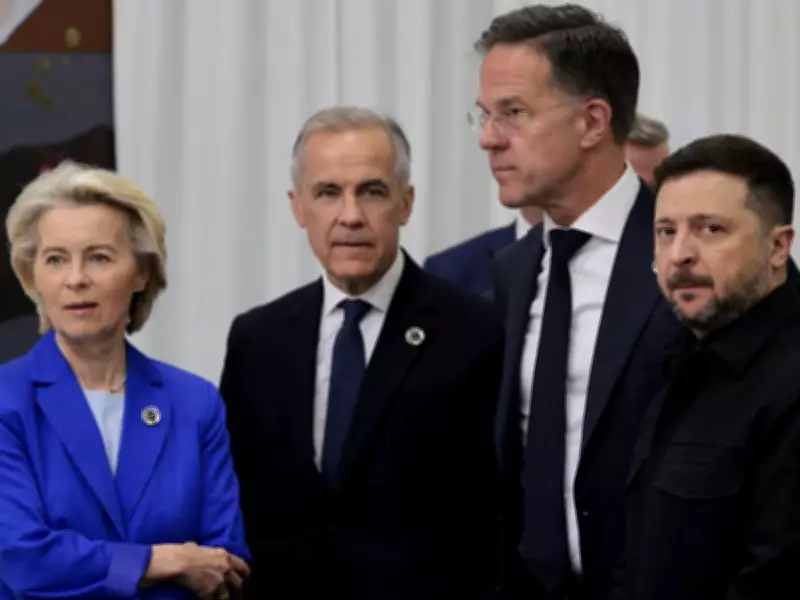
Prime Minister Mark Carney, who earlier this year warned that the rules-based order was dead, implored dozens of leaders meeting in Armenia on Monday not to submit to a more "transactional, insular and brutal world." He stated, "It's my strong personal view that the international order will be rebuilt, but it will be rebuilt out of Europe." Carney spoke at the European Political Community meeting in Yerevan, where he joined nearly 50 leaders from mostly European countries. The summit was dominated by discussions on democratic resilience and economic security, and it marked the first time a leader from a non-European country was invited.
Strained Alliances Under Trump
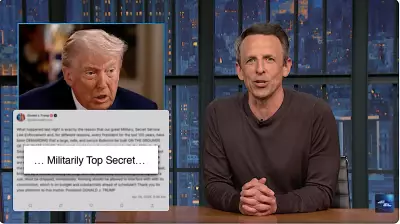
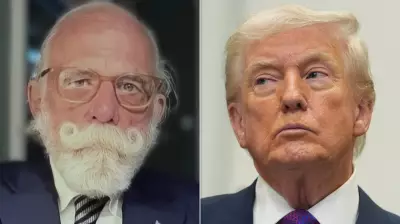
Global leaders are reassessing their relationships with the U.S. as President Donald Trump pursues an abrasive "America First" policy that has strained traditional alliances forged after World War II. Trump imposed broad tariffs on the rest of the world, repeatedly undercut NATO partners, and threatened to seize Greenland, a territory of Denmark. Carney emphasized, "There's a moral imperative to build a more prosperous and just world. The rules are not constraining the hegemons."

European Dependence and Defense
Despite the rhetoric, Europeans remain dependent on the U.S. for their security. According to a Bloomberg Intelligence analysis, it may take more than 10 years for European NATO members to bolster their defence sector. The 15 largest European members of the alliance may need to ramp up investment by as much as US$340 billion to US$720 billion annually.
New Alliances Among Mid-Sized Countries
Many American allies are now looking to join forces in an effort to consolidate strength and reject the turn toward hard-power politics by the U.S. and China as the established order gradually breaks down. Carney has championed creating new alliances among mid-sized countries to counter pressure tactics and intimidation by the world's great powers. He joins a growing number of European leaders who have started to speak out more forcefully against Trump.
European Leaders Speak Out
Spanish Prime Minister Pedro Sánchez has been the most outspoken critic of Trump in the European Union, calling the Iran war illegal and barring the use of Spain's airspace and the two U.S. bases on its territory for operations supporting the strikes on Iran. German Chancellor Friedrich Merz recently said the U.S. is being "humiliated" by Iranian leaders and that he didn't see "what strategic exit the Americans are now choosing."
The criticism has had consequences. Over the weekend, Trump said he would cut thousands of U.S. troops stationed in Germany after accusing European countries of ignoring his requests for help in the war with Iran and to reopen the Strait of Hormuz, a crucial waterway for global energy supplies.