U.S. and Iran Signal New Ceasefire Talks in Islamabad as Truce Nears End
Diplomatic efforts to address the ongoing Middle East conflict are intensifying, with the United States and Iran signaling new ceasefire negotiations set to take place in Islamabad, Pakistan. This development comes as the current truce between the nations approaches its scheduled expiration date, raising concerns about a potential escalation in regional tensions.
Negotiations Amid Heightened Security
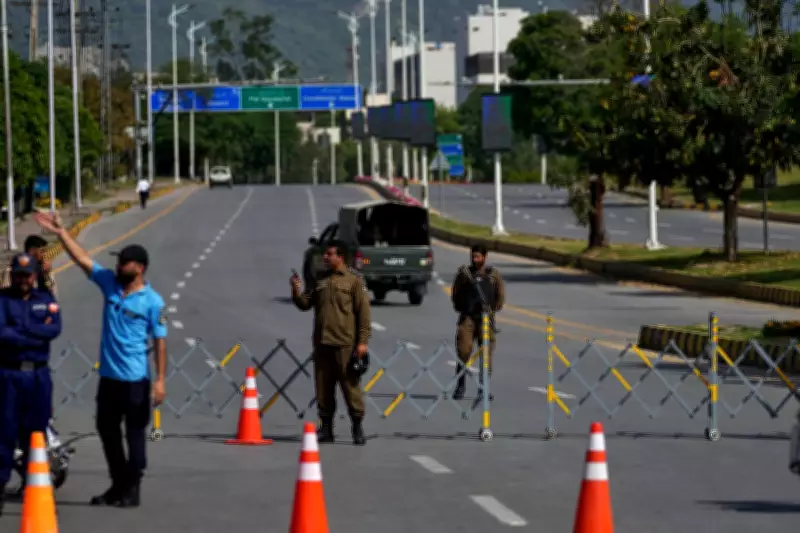
Police officers were observed standing guard at a checkpoint in Islamabad on Tuesday, April 21, 2026, ahead of the anticipated second round of negotiations between U.S. and Iranian officials. The heightened security presence underscores the sensitive nature of these talks, which aim to build upon previous diplomatic engagements and extend the fragile peace.
The timing of these discussions is critical, as the existing ceasefire agreement is nearing its end. Both sides have expressed a willingness to engage in dialogue, but significant challenges remain, including deep-seated geopolitical disagreements and mutual distrust that have long characterized U.S.-Iran relations.

Broader Context of Regional Stability
These talks occur against a backdrop of broader international concerns, including economic issues like inflation and trade policies, as well as domestic incidents in various countries. However, the focus in Islamabad is squarely on preventing a resurgence of conflict in the Middle East, a region that has experienced prolonged instability.
Analysts suggest that successful negotiations could pave the way for more sustainable peace efforts, potentially involving other regional actors in future discussions. The involvement of Pakistan as a host nation adds a layer of diplomatic nuance, given its strategic relationships with both parties.
Potential Outcomes and Implications
Key points on the agenda likely include:
- Extension of the current ceasefire terms
- Mechanisms for monitoring compliance
- Pathways toward longer-term diplomatic solutions
- Addressing underlying issues fueling the conflict
Failure to reach an agreement could risk a return to hostilities, with implications for global security and economic stability, particularly in energy markets. The international community is closely watching these talks, hoping for a breakthrough that could reduce tensions in one of the world's most volatile regions.
As negotiations proceed, the outcome will depend on the flexibility and commitment of both the U.S. and Iran to compromise. The stakes are high, with the potential to either advance peace or trigger further conflict, making these Islamabad talks a pivotal moment in Middle East diplomacy.