U.S. Reopens Embassy in Venezuela, Raising Flag After Seven-Year Diplomatic Pause
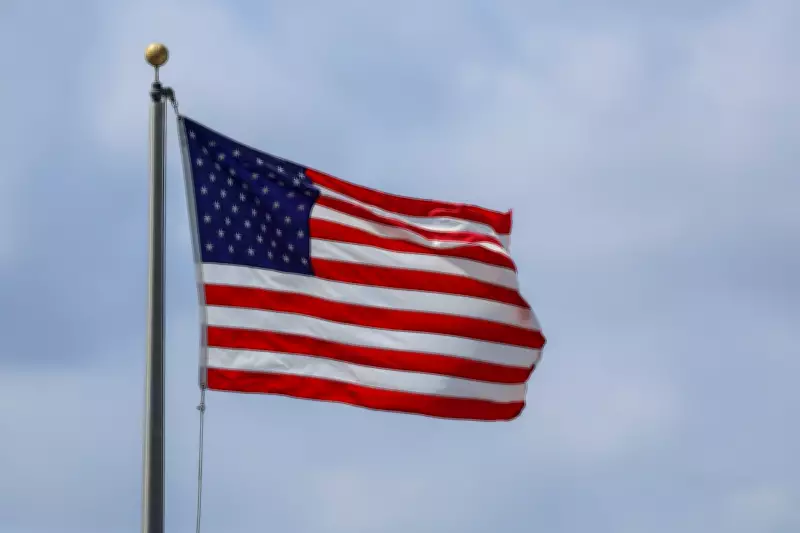
In a significant diplomatic development, the United States has officially reopened its embassy in Caracas, Venezuela, with a ceremonial flag-raising event marking the end of a seven-year hiatus in formal relations. The move signals a potential thaw in long-strained ties between the two nations, which have been characterized by political tensions and economic sanctions.
Symbolic Gesture Amid Evolving Relations
The raising of the American flag at the embassy compound represents more than just a procedural formality; it is a powerful symbolic gesture indicating Washington's commitment to re-engaging with Venezuelan authorities. This action follows years of diplomatic frostiness, during which the U.S. maintained only limited consular services through third-country arrangements. The reopening suggests both sides may be exploring avenues for dialogue on issues ranging from energy cooperation to regional security concerns.
Background of Diplomatic Strain
Diplomatic relations between the United States and Venezuela were effectively suspended in 2019, when the U.S. withdrew its diplomatic personnel amid escalating political turmoil and recognized opposition leader Juan Guaidó as the country's legitimate president. This period saw:

- Severe economic sanctions imposed by Washington targeting Venezuela's oil sector and government officials.
- Reciprocal expulsions of diplomatic staff from both nations.
- Ongoing humanitarian crises in Venezuela exacerbated by political instability and economic collapse.
The embassy's closure left thousands of dual citizens and visa applicants in limbo, complicating consular services and family reunifications.
Implications for Bilateral Engagement
Analysts suggest the embassy reopening could pave the way for more structured negotiations on several fronts. Key areas of potential discussion include:
- Energy cooperation, particularly regarding Venezuela's substantial oil reserves and production capabilities.
- Migration management, as Venezuela continues to experience one of the largest displacement crises in the world.
- Democratic processes, with the U.S. likely maintaining pressure for free and fair elections.
- Regional stability concerns in Latin America and the Caribbean.
However, significant challenges remain, including deep-seated political disagreements and the complex legacy of sanctions.
Regional and Global Context
This diplomatic move occurs against a backdrop of shifting global dynamics, including evolving energy markets and changing geopolitical alliances in the Western Hemisphere. The U.S. decision may also reflect broader strategic calculations about engaging with governments that have previously been isolated, particularly as other global powers increase their influence in Latin America.
The reopening does not necessarily indicate an immediate normalization of relations, but it establishes a physical diplomatic presence that could facilitate more consistent communication and confidence-building measures between the two capitals.