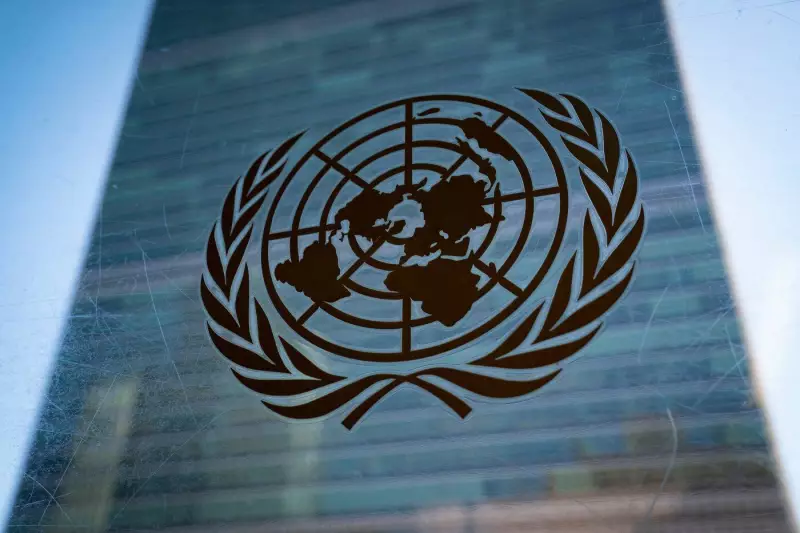
In a move signaling a profound shift in its approach to global affairs, the United States has announced plans to withdraw from dozens of international organizations throughout 2026. This decision, reported on January 07, 2026, marks a substantial retreat from multilateral cooperation and is poised to reshape the international landscape.
A Strategic Pullback from Global Engagement
The announcement confirms a continued trend of American disengagement from the institutions that have underpinned the post-World War II international order. While a full list of the specific organizations has not been immediately disclosed, the scope of the planned exit is described as extensive. This strategic pullback represents one of the most significant recalibrations of U.S. foreign policy in decades, moving away from its traditional role as a cornerstone of global multilateralism.
The report comes amid other international headlines, including questions about the message sent by the U.S. capture of Venezuelan leader Nicolás Maduro to nations like China. This context suggests the withdrawals are part of a broader, more unilateral foreign policy stance.

Implications for Global Governance and Canada
This large-scale exit will have immediate and far-reaching consequences for global governance. International organizations focused on trade, security, environmental regulation, and public health could face major funding shortfalls and a crisis of legitimacy without U.S. participation and financial support. The void left by American departure may accelerate a shift toward a more fragmented world order, where regional powers and bilateral agreements gain prominence.
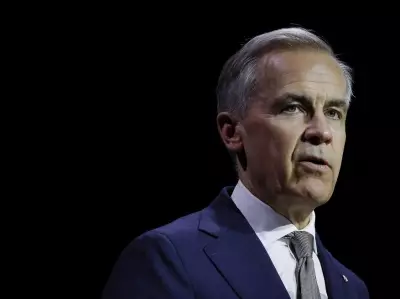
For Canada, a nation deeply committed to multilateral cooperation and the rules-based international system, this U.S. retreat presents significant challenges. Ottawa may find itself navigating a more complex diplomatic field, potentially needing to take on greater leadership roles within these institutions or forge new alliances to uphold shared values on the global stage. The timing is particularly notable as reports indicate former Bank of Canada governor Mark Carney is set to meet with premiers to discuss the Canada-United States-Mexico Agreement (CUSMA), highlighting the ongoing need to manage the crucial bilateral relationship amidst this changing landscape.
Analyzing the Drivers and Future Outlook
The decision appears driven by a longstanding political sentiment within certain U.S. circles that views international bodies as constraints on national sovereignty and inefficient bureaucracies. This action follows a pattern of skepticism toward entities like the United Nations and its affiliated agencies.
Looking ahead, the geopolitical shift initiated by this move will force other nations, including close allies like Canada, to reassess their own foreign policy and defense strategies. The world may see increased competition to fill the leadership vacuum, with countries like China and the European Union likely to expand their influence within the affected organizations. The long-term stability of global systems for conflict resolution, scientific collaboration, and economic coordination now faces a period of unprecedented uncertainty.
As 2026 unfolds, the practical implementation of this withdrawal and the international community's response will be critical to watch, defining a new chapter in how nations choose to cooperate—or not—on the world's most pressing issues.