The United States is poised to present a framework for political leadership in Gaza once the ongoing conflict between Israel and Hamas concludes, according to sources cited by the Reuters news agency. The plan, expected to be unveiled soon, aims to address the critical question of who will govern the Palestinian territory after the war.
Details of the Proposed Governance Framework
While specific details of the American proposal remain under wraps, sources familiar with the discussions indicate it will outline a structure for administering the Gaza Strip in a post-Hamas era. The plan is a key part of broader international efforts to stabilize the region and establish a sustainable path forward once hostilities end.
The development comes amid a complex and devastating war that began with Hamas's attack on Israel on October 7, 2023. The conflict has resulted in profound humanitarian suffering in Gaza and heightened regional tensions. The U.S. initiative underscores the urgent international focus on "the day after" the fighting stops, a topic that has been a major point of diplomatic engagement.

Broader Context and International Diplomacy
Washington has been actively involved in diplomatic efforts concerning Gaza's future, engaging with regional partners, Palestinian authorities, and Israeli officials. The expected plan is likely an attempt to bridge differing visions and establish a credible transitional administration that can oversee reconstruction, provide basic services, and maintain security.
Key challenges include ensuring the plan is acceptable to regional stakeholders, does not inadvertently re-empower Hamas, and aligns with longer-term goals for a two-state solution. The involvement of the Palestinian Authority, based in the West Bank, in some form of governance arrangement for Gaza is a subject of significant discussion, though major obstacles remain.
Humanitarian Crisis and Immediate Priorities
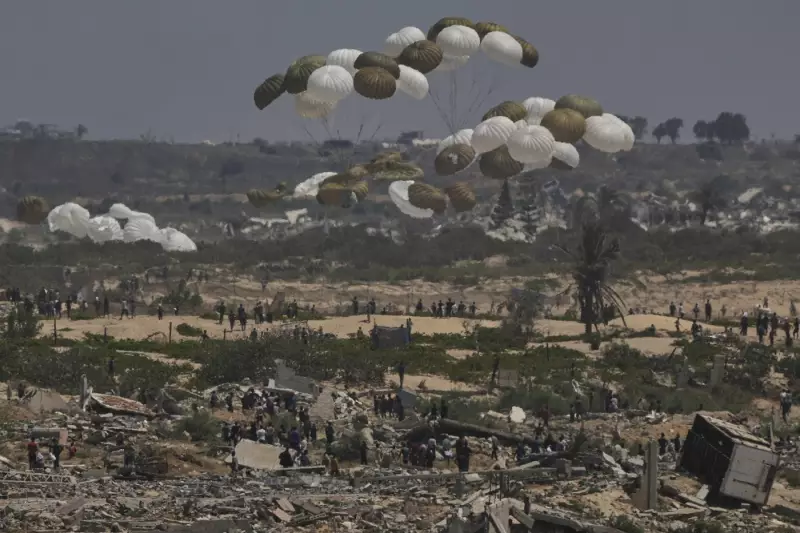
The announcement of a political roadmap occurs against the backdrop of a severe and ongoing humanitarian crisis in Gaza. International aid agencies continue to warn of widespread hunger, disease, and a lack of basic necessities. Any discussion of future governance is intrinsically linked to the immediate need for a massive influx of aid and the rebuilding of decimated infrastructure.
The successful implementation of any post-war plan will depend heavily on securing a durable ceasefire, which has proven elusive despite multiple rounds of indirect negotiations. The U.S. proposal is therefore seen as a parallel track to both military and humanitarian efforts, aiming to provide a political horizon that could contribute to lasting stability.
Next Steps and Regional Reactions
Once formally presented, the U.S. plan will be subject to scrutiny and negotiation among the involved parties. Reactions from Israel, the Palestinian Authority, Egypt, Jordan, and Gulf states will be critical in determining its viability. The proposal is expected to be a focal point in upcoming high-level diplomatic meetings.
Analysts suggest that while outlining a leadership framework is a necessary step, the path to actual governance will be fraught with difficulties, including deep-seated political divisions, the immense scale of physical reconstruction, and the need for a legitimate security apparatus. The international community's commitment to supporting the plan, both politically and financially, will be a decisive factor.