A proposed 28-point peace plan developed by American and Russian envoys is expected to be declared dead on arrival by Ukraine and its allies, as it would force Kyiv to accept several of Moscow's key wartime demands, according to a document obtained by Bloomberg News.
Key Provisions of the Controversial Plan
The peace proposal, floated by U.S. envoy Steve Witkoff and Russian envoy Kirill Dmitriev, would require Ukraine to formally recognize the regions of Crimea, Luhansk, and Donetsk as de facto Russian territory, including by the United States. This represents a significant territorial concession that would legitimize Russia's control over areas it has occupied since 2014 and 2022.
Under the terms outlined in the document, Ukraine would also be compelled to abandon its aspirations for NATO membership, a fundamental pillar of the country's security policy for years. Additionally, the plan would impose military caps on Ukraine's armed forces and require the country to hold elections within 100 days.

International Reaction and Likely Opposition
Former U.S. Ambassador to NATO Julianne Smith expressed serious concerns about the proposal, stating: "It bothers me how little effort has gone into it. It's going to be declared dead on arrival by a whole host of people, starting with Zelenskyy himself."
While Ukrainian President Volodymyr Zelenskyy has indicated he is reviewing the proposal, there is little indication he would accept its core terms, which mirror demands that Ukraine and its European allies have vehemently rejected in the past. The plan would also face significant hurdles within NATO, as it would restrict the alliance's expansion capabilities and require unanimous approval from all 32 member states.
Economic and Security Considerations
The proposed agreement includes several economic components that have raised eyebrows among analysts. The United States would receive 50 percent of profits designated for rebuilding and investing in Ukraine, and Washington would establish an economic partnership with Russia once sanctions against Moscow are lifted over time.
Although the plan offers Ukraine a U.S. security guarantee, this protection would come at a cost, with Washington requiring compensation for providing such assurances. The proposal emerges as a delegation of top U.S. military officials, led by Army Secretary Dan Driscoll, was in Kyiv this week discussing alternative avenues for progress, including potentially ramping up military support.
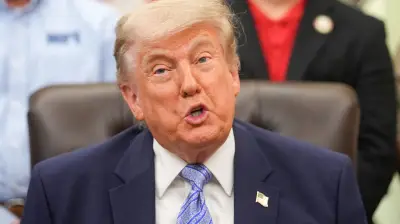
Secretary of State Marco Rubio, who has traditionally taken a harder line toward Russia than envoy Witkoff, stated that negotiators would continue developing potential ideas for ending the war based on input from both sides of the conflict. The White House has acknowledged that President Donald Trump backs the plan, though officials note that conversations remain fluid.