Gaza City – January 13, 2026 – The already catastrophic humanitarian situation in the Gaza Strip has taken a deadly turn with the onset of severe winter weather. At least five Palestinians have died as a result of hypothermia and collapsing structures amid strong winds and rainfall, according to reports on Tuesday.
Deadly Conditions for Displaced Families
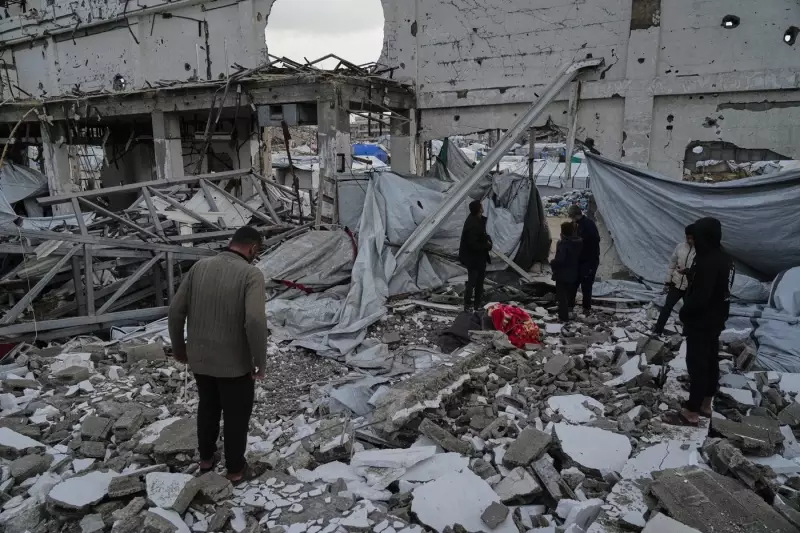
The victims, including at least four people who perished in Gaza City, were killed when walls collapsed onto tents sheltering displaced individuals. The makeshift shelters, housing thousands who have fled ongoing conflict, offered little protection against the powerful winds and heavy rain. The incident underscores the extreme vulnerability of Gaza's population, where infrastructure has been devastated and adequate housing is scarce.
Photographic evidence from the scene shows residents inspecting the wreckage of the collapsed tents, a stark visual representation of the compounding crises facing the territory. The deaths are a direct consequence of the deteriorating living conditions, where exposure to the elements has become a lethal threat.

A Compounding Humanitarian Disaster
These weather-related fatalities occur against the backdrop of the prolonged Israel-Hamas war, which has severely damaged Gaza's infrastructure and healthcare system. The combination of conflict, displacement, and now harsh winter conditions is creating a perfect storm of human suffering.
International aid organizations have repeatedly warned about the risks of disease and exposure as seasons change in Gaza. The lack of durable shelter, fuel for heating, and warm clothing has left a significant portion of the population, particularly children, the elderly, and the infirm, at severe risk. The five confirmed deaths from hypothermia and structural failures are likely just the first casualties of this winter emergency if conditions do not improve.
International Response and Ongoing Challenges
The latest tragedy highlights the urgent need for increased humanitarian assistance and a political solution to the underlying conflict. Delivering aid remains fraught with logistical and political challenges, slowing the flow of essential winter supplies like blankets, tarpaulins, and heating materials.
As of January 13, 2026, the situation remains critical. With forecasts predicting continued cold and unstable weather, the international community faces mounting pressure to address both the immediate life-threatening conditions and the broader humanitarian catastrophe in Gaza. The deaths of these five individuals serve as a grim reminder that in conflict zones, environmental factors can be as deadly as violence itself.