The Alberta government has recently implemented stricter regulations surrounding Medical Assistance in Dying (MAID) within the province, sparking renewed conversations about end-of-life care and personal autonomy. This policy shift comes as individuals like George Brookman share poignant stories about watching loved ones suffer through terminal illnesses.
A Family Foundation Built by Independent Women
Brookman reflects on his upbringing, supported by what his family affectionately called "the girls"—his father's three sisters who never married and lived together throughout their lives. These women were pioneers of their era, maintaining solid careers during the 1950s and 1960s. Two worked for Alberta Government Telephones, while the youngest, Jessie, pursued education with remarkable determination.
Jessie's Trailblazing Spirit
Jessie became a teacher, advanced to principal, and earned a University of Calgary degree in her late fifties. She embodied independence, purchasing a baby blue 1955 Chevy after taking driving lessons—a family milestone met with both pride and some apprehension about her driving skills. Her spirited nature once led to an encounter with Calgary police after she honked at a passing vehicle on Elbow Drive.

Beyond academics, Jessie served as a sports coach, officiating volleyball and soccer games with her whistle. She took particular pride in preparing Bel-Aire's brand-new school for its September 1965 opening, working alongside family members to ensure everything was ready for students.
A Devastating Diagnosis and Difficult Choices
In her seventies, Jessie received a lung cancer diagnosis that would change everything. She confided in Brookman, expressing her fears with heartbreaking clarity: "George, I have never been with a man or undressed before anyone, and if they can control my pain, I don't want to have surgery." The family pledged their support regardless of her decisions.
Fourteen Months of Progressive Suffering
The subsequent fourteen months proved increasingly difficult. Jessie endured regular medical procedures to drain her lungs, experienced significant weight loss, and faced mounting pain levels. Her final days at Rockyview Hospital were particularly harrowing, with her doctor describing her condition as "like drowning 24 hours a day."
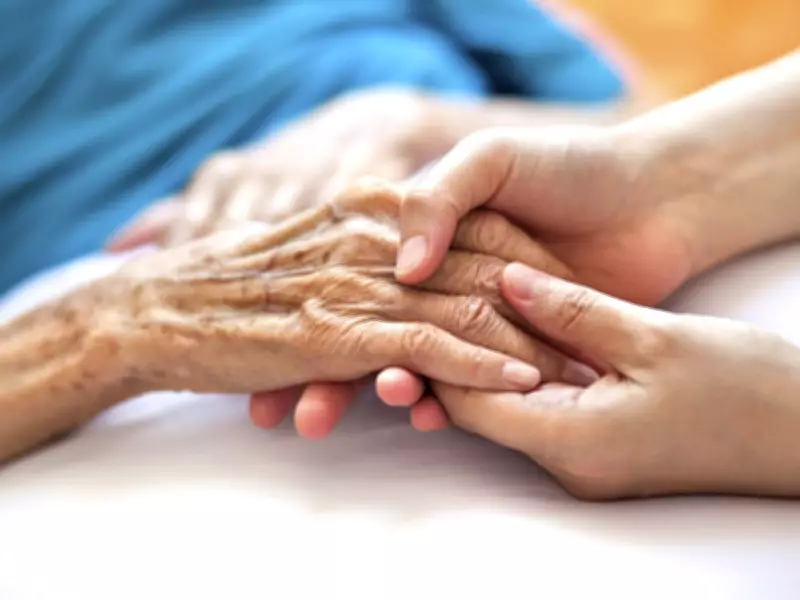
Brookman recalls, "I would have given anything to end her agony." During his last visit, Jessie could no longer speak, only gasping for breath while clutching his hand. Shortly after he left, the hospital called to inform him she had passed away.
Advocating for Compassionate Endings
This painful experience convinced Brookman that society must develop more humane approaches to inevitable death. "We treat our pets better than those closest to us," he observes, "and no one should go through what I saw my aunt and others go through."
While Brookman acknowledges he wasn't a supporter of the previous prime minister, he celebrated when the Liberal government introduced Medical Assistance in Dying legislation in Canada. He argues that restrictions on this final compassionate act often stem from superstitions or personal beliefs rather than consideration for those experiencing unbearable suffering.
The Current Regulatory Landscape
As Alberta implements tighter MAID regulations, these personal narratives highlight the complex balance between policy restrictions and individual end-of-life choices. Brookman's story underscores the human dimension behind legislative decisions, reminding us that behind every regulation are real people facing difficult journeys.
The conversation continues as Canadians navigate the ethical, medical, and personal implications of end-of-life care, with stories like Jessie's serving as powerful testaments to why some advocate for expanded access to compassionate options during terminal illness.