When people think about health care, they often focus on emergency rooms, surgeries, or access to a family doctor. However, for patients and families facing the final stages of life, compassionate hospice palliative care is equally vital.
While governments are rightly prioritizing improvements in primary and acute care, one aspect of the health system that is too often overlooked is palliative care. This component is essential for a complete healthcare system. Increasingly, adult Albertans of any age with terminal illnesses cannot find a hospice bed—a key part of palliative care services—when they need it.
The Growing Need for Hospice Services
Recognizing this pressing issue, the Rural Municipalities of Alberta commissioned a report in 2024 calling on the provincial government to develop a sustainable operational funding model for hospice services across the province. Although there was little reference to this in the recent provincial budget, the Alberta government has committed to addressing this gap in the future. The question remains: when will this happen?

Given the growing need, the sooner the better. Sustainable funding, however, is only part of the solution. Equally important is the type of care that funding will support.
Home-Based Palliative Care vs. Hospitalization
Home-based palliative care provides personalized care, comfort, and support for daily needs in a familiar environment and is widely considered the most popular form of palliative care. Unfortunately, it is not an option for many Albertans, particularly those with complex medical needs. In many situations, caregivers are not equipped for the intense physical and emotional demands that palliative care for a loved one requires. This leaves many Albertans approaching the end of their lives with hospitalization as their only choice. In a healthcare system already under immense strain, this is far from ideal.
Hospitalization consumes costly medical resources needed for other healthcare requirements and often does not align with patient preferences. When one has months, weeks, or even just days to live, care and comfort—physically, emotionally, and spiritually—are critical.
The Role of Residential Hospices
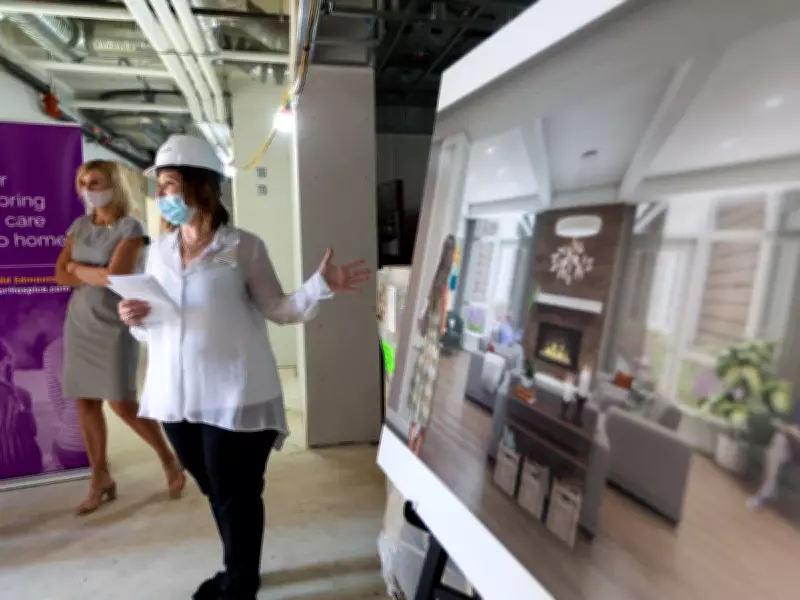
Between home care and hospitalization lies a unique, highly effective model of care: independently governed, non-profit residential hospices. These facilities deliver specialized, high-acuity end-of-life medical care within a home-like setting, ensuring individuals receive appropriate support close to home and their loved ones.
Residential hospices go beyond providing expert, compassionate end-of-life medical care; they offer coordinated, wrap-around support for patients and their families. This includes emotional, spiritual, and practical care, as well as grief and bereavement support that continues after a person has died.
These hospices lessen pressure on the health system by reducing emergency room visits and emergency medical services calls when overwhelming difficulties are encountered during care at home. They also prevent avoidable hospital readmissions and free up acute care beds for others in need. Moreover, these facilities are built through community fundraising, with donors and local supporters stepping up to help create spaces for end-of-life care. Local investment in these facilities expands hospice care in communities across Alberta while reducing the capital burden on government.