B.C. Implements New Restrictions on Family Support Program for Sick Children
Just one year after reversing previous modifications, the British Columbia government has introduced significant new eligibility requirements and reduced support windows for a program designed to assist families with sick children who must travel for medical care. The changes to the B.C. Family Residence Program took effect on April 1, 2026, sparking immediate concern among advocates who warn about disproportionate impacts on rural families.
New Income Caps and Reduced Coverage Periods
According to Variety, the charity administering the program, households must now earn $80,000 or less annually to qualify for assistance—a stricter threshold than previous iterations. Additionally, coverage has been reduced from 30 to 21 days per medical visit, creating tighter windows for families navigating complex treatment schedules.
The provincial government has avoided detailed explanations about the necessity of these changes, though they coincide with a challenging fiscal period marked by a $13.3 billion budget deficit. Critics argue that the timing exacerbates existing healthcare access disparities, particularly for families residing outside major urban centers.

Rural Families Face Increased Burden
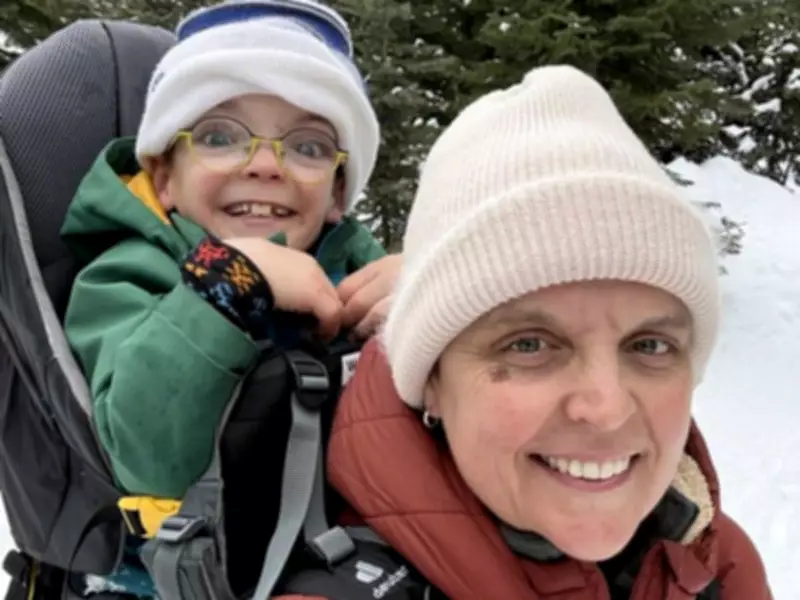
Victoria resident Becs Hoskins illustrates the practical consequences of these policy shifts. Over the past seven years, Hoskins has traveled frequently to Vancouver with her nine-year-old son Simon, who requires specialized treatment for mucopolysaccharidoses (MPS), a rare metabolic disorder. Without program assistance, she estimates accommodation costs would have exceeded $15,000.
"When he was three years old, we had six months of traveling," Hoskins recalled. "Once a week we had to be at the hospital at 7 a.m., so coming from the Island, everyone knows that means you're leaving home the day before. Twenty-eight times we needed to have a place to sleep before we showed up at seven in the morning for an appointment with our three-year-old, to then spend eight hours with him getting an infusion."
Under the new restrictions, Hoskins anticipates her family will need to catch the 7 a.m. ferry to the mainland on appointment days and return on the 9 p.m. sailing to avoid hotel expenses exceeding $500 per night—a logistical challenge that wasn't always feasible during Simon's early treatment phase.
Historical Context and Advocacy Response
This represents the second recent attempt to modify the program's parameters. A previous adjustment in 2025 that would have limited coverage to 15 days for households earning under $85,000 was reversed last June following substantial community opposition.
Paul Adams, executive director of the B.C. Rural Health Network, emphasized that these changes effectively constitute a service reduction that will disproportionately affect vulnerable rural children with severe medical conditions requiring specialized care unavailable in their home communities.
"The result is fewer people will be able to access care," Adams stated. "In this case, it's the most vulnerable of our population—kids and families who have extreme health conditions that need extended stays within the Lower Mainland. We need to hold accountable those making funding decisions that don't adequately consider these realities."
Advocates warn that reduced support could create additional barriers to timely medical intervention, potentially compromising health outcomes for children with complex conditions while increasing financial and logistical stress for families already navigating challenging circumstances.