University of Calgary Professor Urges Ottawa to Halt Refugee Medical Fees
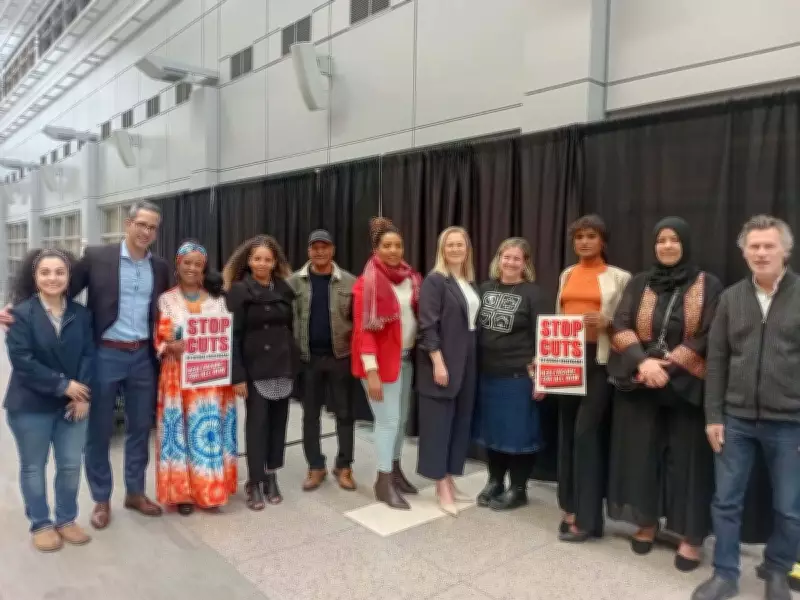
A University of Calgary professor is calling on the federal government to rescind its plan to impose medical fees on refugees, arguing the policy is cruel and counterproductive to successful settlement. Dr. Annalee Coakley, coordinator of the Migration and Humanitarian Health Collective at the U of C, made the plea at a press conference on Tuesday, April 14, 2026, joined by other refugee advocates.
New Fees Set to Take Effect May 1
Starting May 1, refugees and refugee claimants will be required to pay a $4 co-payment for prescription medications and cover 30% of the cost for supplemental services. These services include dental and visual care, mental health counseling, medical supplies, home care, and physiotherapy. The federal government asserts these changes are necessary to ensure the future viability of the Interim Federal Health Program (IFHP), which has seen increasing usage.
According to Canadian Immigration and Citizenship, the adjustments aim to keep supplemental health care accessible while responsibly managing growing demand. The IFHP, established 70 years ago, serves as a bridge until recipients qualify for provincial health insurance. Officials emphasize that the fees do not affect visits to physicians or hospitals, focusing solely on supplemental care.

Critics Warn of Long-Term Consequences
Dr. Coakley strongly disagrees with the government's stance, labeling the policy as "penny-wise and pound-foolish." She argues that while $4 might seem negligible to many Canadians, it can be prohibitive for refugees with limited incomes. By delaying or avoiding necessary care due to cost, refugees may experience worsening conditions, leading to more expensive emergency room visits and hospital admissions.
"This will leave recipients with care more costly than that afforded low-income Canadian citizens," Coakley stated. She emphasized that the IFHP is equitable to low-income Canadians and does not provide additional health care. A well-resourced program, she contends, supports newcomers in becoming better contributors to society.
Broader Implications for Settlement and Health
Coakley highlighted the broader impact on assimilation and productivity. "Why are we disadvantaging children and families and preventing them from assimilating?" she questioned. Many refugees work in essential roles, such as health care aides, and an unhealthy workforce undermines productivity. She warned that the fees could hinder successful integration, ultimately costing the healthcare system more in the long run.
The professor also addressed the political climate, noting the UCP government's plans for an October referendum on immigration. If supported, this could lead to legislation restricting social services access for non-permanent residents, requiring a 12-month residency before qualifying for provincially-funded programs. Coakley acknowledged that advocating for refugee benefits and federal funding for offshore aid programs can be unpopular amid domestic affordability concerns.
Call for Policy Reversal
At the press conference, advocates demanded Ottawa reverse the policy, stressing that it weakens the bridge the IFHP is meant to provide. They argue that investing in refugee health now prevents higher costs later and fosters a healthier, more integrated community. The debate underscores the tension between fiscal responsibility and humanitarian obligations in Canada's immigration and healthcare systems.