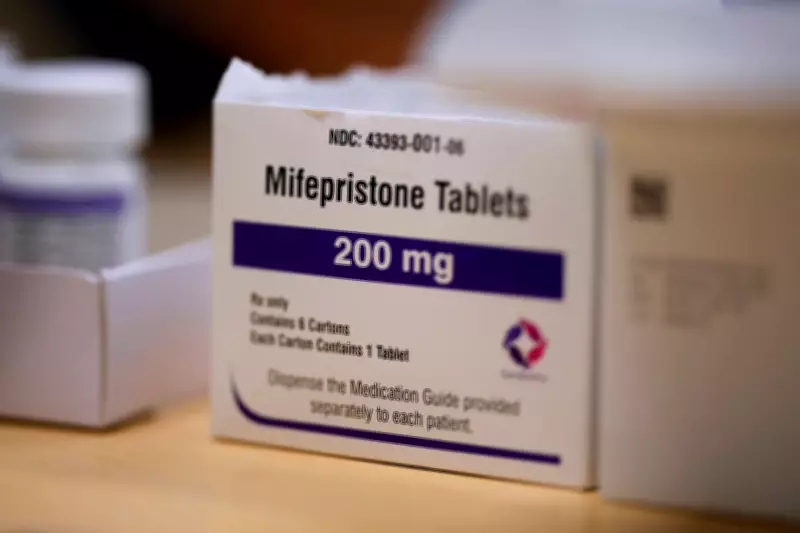
A United States federal court has issued a ruling that restricts abortion access by blocking the mailing of prescriptions for abortion pills. The decision, which affects mifepristone, a key medication used in medication abortions, requires patients to obtain the drug in person from a certified healthcare provider.
Court Decision Details
The ruling stems from a lawsuit challenging the Food and Drug Administration's (FDA) regulations that allowed mifepristone to be prescribed via telemedicine and mailed to patients. The court determined that these regulations exceeded the FDA's authority and reinstated earlier requirements for in-person dispensing.
Impact on Access
This decision is expected to have a significant impact on abortion access, particularly for individuals in rural areas or states with few abortion clinics. Medication abortion accounts for more than half of all abortions in the United States, and the ability to receive pills by mail has been crucial for many patients.

Advocacy groups on both sides of the issue have responded strongly. Reproductive rights organizations have vowed to appeal the ruling, while anti-abortion groups have praised the decision as a step toward protecting unborn life.
Legal and Political Reactions
The Biden administration has indicated it will seek to overturn the ruling, arguing that it undermines medical expertise and patient safety. Legal experts predict the case may ultimately reach the Supreme Court.
This development comes amid ongoing debates over abortion access following the 2022 Dobbs decision that overturned Roe v. Wade. Several states have since enacted near-total bans on abortion, while others have moved to protect access.
Future Implications
The ruling could set a precedent for other challenges to FDA drug approvals, potentially affecting access to other medications. It also highlights the growing role of telemedicine in healthcare and the legal battles surrounding it.
As the legal process unfolds, patients and providers face uncertainty. Many are scrambling to find alternative ways to obtain medication, while clinics prepare for an influx of in-person visits.