Emergency Calls Detail Distress at ICE's Largest Detention Facility
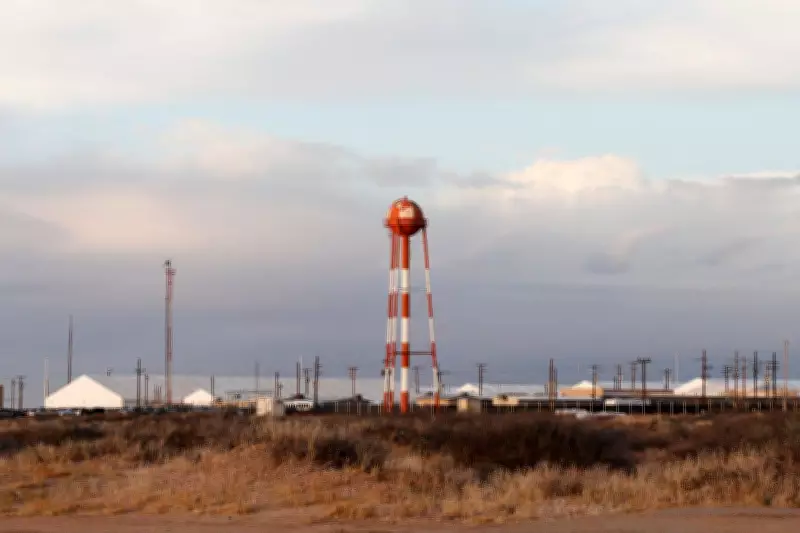
Newly revealed 911 calls from the Camp East Montana immigrant detention center paint a grim picture of life inside the largest facility operated by U.S. Immigration and Customs Enforcement (ICE). Located on a U.S. Army base in the desert outskirts of El Paso, Texas, the series of hardened tents has been the site of numerous emergencies, including attempted suicides, violent fights, and reports of severe pain among detainees.
Harsh Conditions in the Desert
The facility, which looms large in the arid landscape, has become a focal point for concerns over immigrant detention practices. According to the emergency calls, detainees have faced significant mental and physical distress, with some incidents escalating to life-threatening situations. The calls, obtained by The Associated Press, underscore the challenging environment within the camp, where individuals are held while their immigration cases are processed.
Key incidents documented in the 911 logs include:

- Multiple attempted suicides by detainees, highlighting acute mental health crises.
- Frequent fights among individuals, pointing to tensions and overcrowding.
- Reports of intense pain and medical emergencies, raising questions about healthcare access.
Broader Implications for Immigration Policy
These revelations come amid ongoing debates about U.S. immigration enforcement and the treatment of detainees. The Camp East Montana center, with its remote location and tent-based infrastructure, has drawn criticism from advocacy groups who argue that such facilities are ill-equipped to handle the complex needs of those in custody. The 911 calls add to a growing body of evidence suggesting systemic issues within ICE detention networks, including inadequate medical care and poor living conditions.
Experts note that prolonged detention in harsh environments can exacerbate mental health problems, leading to increased risks of self-harm and violence. The calls from this Texas facility reflect a pattern seen in other detention centers across the country, where similar emergencies have been reported. As immigration remains a contentious political issue, these findings may fuel calls for reform and greater oversight of detention practices.
Response and Accountability
ICE has not yet issued a detailed response to the specific incidents outlined in the 911 calls. However, the agency has previously stated that it is committed to ensuring the safety and well-being of all detainees, with protocols in place for medical emergencies and conflict resolution. Critics, however, argue that these measures are often insufficient, citing the frequency of emergency calls as evidence of deeper problems.
The situation at Camp East Montana highlights the broader challenges faced by immigration systems in managing large-scale detention. With thousands of individuals held in similar facilities nationwide, the need for improved conditions and humane treatment remains a pressing concern. As more details emerge from these 911 calls, they are likely to spark further scrutiny and potential policy changes aimed at addressing the misery experienced by many in ICE custody.