Judicial Decision Alters Immigration Enforcement Landscape in Minnesota
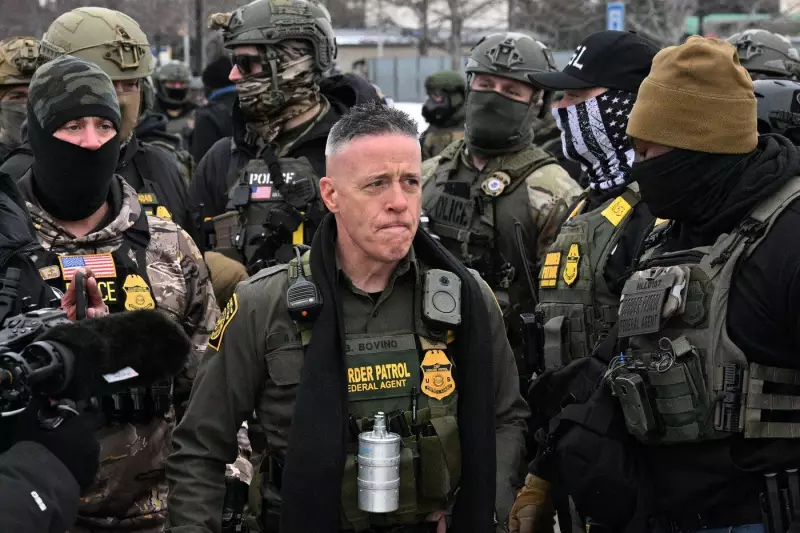
A significant court ruling has lifted previous restrictions on the operational tactics available to immigration officers within the state of Minnesota. This legal shift grants federal immigration authorities broader discretion in their enforcement methods, potentially impacting how immigration laws are applied on the ground. The decision comes amid ongoing debates about immigration policy and enforcement practices across North America.
Cross-Border Political Reactions Emerge
The court's action has not gone unnoticed by political leaders in Canada. Winnipeg Mayor Scott Gillingham has publicly expressed solidarity with his counterpart in Minneapolis, where the arrival of Immigration and Customs Enforcement (ICE) personnel has reportedly contributed to local unrest. Mayor Gillingham's statement underscores the interconnected nature of urban governance and social stability in the face of stringent immigration measures.
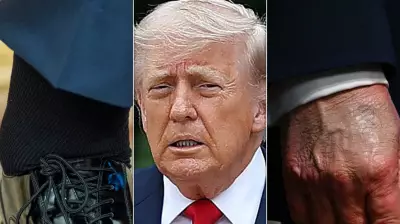
Furthermore, Ontario Premier Doug Ford has strongly criticized former U.S. President Donald Trump regarding recent comments about Canada, labeling them as "unacceptable." This exchange highlights how immigration policies and related rhetoric in the United States can quickly resonate within Canadian political discourse, affecting bilateral perceptions and relations.

Context of Enforcement and Community Impact
The lifting of restrictions is expected to alter the dynamics between immigration authorities and communities in Minnesota. Proponents may argue it enhances the ability to enforce immigration laws effectively, while critics likely raise concerns about potential overreach and the impact on immigrant communities' trust and safety. The situation in Minneapolis serves as a focal point for these broader discussions, illustrating the tangible effects of judicial and policy changes on municipal environments.
This development occurs against a backdrop of varied national and local news across Canada, from weather alerts and traffic studies to sports achievements and cultural events. However, the court ruling in Minnesota stands out for its implications on governance, civil liberties, and international relations, prompting observers to monitor its repercussions closely.