In a significant development offering a measure of solace after profound tragedy, the family of the victims of the 2025 Ottawa mass murder has been granted permanent residency in Canada. The decision directly impacts Dhanushka Wickramasinghe, the sole survivor of the horrific attack that claimed the lives of his wife, his four children, and a family friend.
A Path to Stability After Unimaginable Loss
The approval of the permanent residency applications was confirmed on January 19, 2026. This legal milestone represents a crucial step forward for Wickramasinghe as he continues to rebuild his life in the wake of the violence that shattered his family. The attack occurred in Ottawa's Barrhaven region, sending shockwaves through the community and the nation.
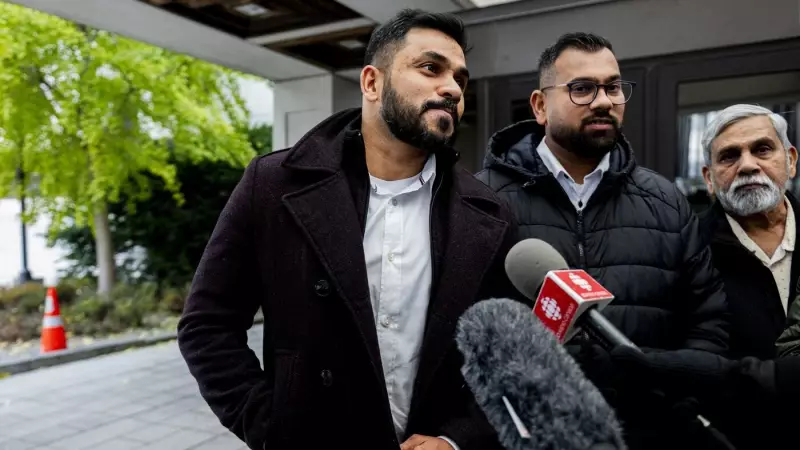
Wickramasinghe's immigration lawyer and family representative, Ronalee Carey, has been a steadfast advocate throughout the process. Carey was seen speaking alongside Wickramasinghe outside the Ottawa Courthouse as recently as Thursday, November 6, 2025, highlighting the ongoing legal and personal journey following the tragedy.

The Long Road to Recovery and Security
For survivors of traumatic events, especially those involving such catastrophic personal loss, stability and the ability to remain in a supportive community are vital components of long-term recovery. The grant of permanent residency removes the looming uncertainty of immigration status, allowing Wickramasinghe to focus on healing without the additional burden of precarious legal standing.
This administrative decision by Immigration, Refugees and Citizenship Canada (IRCC) underscores a humanitarian response to extraordinary circumstances. It acknowledges the deep ties Wickramasinghe has to Canada—the country that was home to his entire family—and provides the foundation for a secure future here.
Community and Legal Context
The news of the residency approval emerges amidst a complex backdrop of other national and local stories, from political debates on economic policy to weather events affecting the Ottawa commute. However, this particular outcome stands as a poignant moment of procedural compassion within the broader immigration system.
While the criminal justice process related to the murders continues, this immigration resolution offers a separate but critical form of closure and support for the survivor. It is a recognition that for Dhanushka Wickramasinghe, Canada is not just the site of his family's tragedy, but must also be the home where he can find a way forward.
The decision ultimately reflects a measured response to a case that captured national attention, prioritizing human dignity and the need for permanent sanctuary in the face of irreplaceable loss.