The public image of U.S. Immigration and Customs Enforcement (ICE) operations in Minnesota has taken a severe hit, following a controversial incident that resulted in the death of a local woman. The event has sparked significant public outrage and drawn sharp criticism from state leaders, even as ICE defends its actions by pointing to the arrest of numerous individuals convicted of serious violent crimes.
A Fatal Confrontation Fuels Public Anger
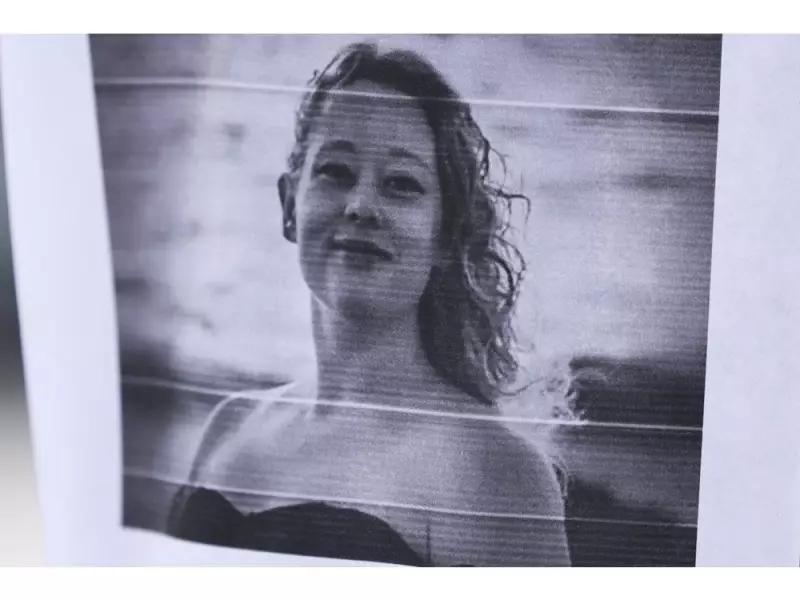
On January 7, 2026, ICE agents were involved in a confrontation in Minneapolis that led to the shooting death of Renee Nicole Good, a 39-year-old poet and activist. According to reports, agents surrounded Good's car, and she was shot at point-blank range as she apparently attempted to drive away. The incident was captured in a widely circulated photo showing a makeshift memorial for Good.
The shooting triggered immediate and large-scale protests in Minneapolis. Local leaders, including Minnesota Governor Tim Walz and Minneapolis Mayor Jacob Frey, expressed fury and rejected White House characterizations of Good as a domestic terrorist. The visual of black ICE vehicles and armed agents in community settings has been described as creating "terrible optics" and fostering a climate of fear.

ICE Defends Operations, Highlights Criminal Arrests
Amid the backlash, ICE has issued statements defending its presence in Minnesota, arguing that its operations are focused on removing dangerous offenders from American communities. The agency claims it has apprehended "the worst criminal offenders in the world" in the Twin Cities area, individuals who pose a significant threat to public safety.
ICE provided details on several individuals recently taken into custody, highlighting their violent criminal histories:
- Sriudorn Phaivan, Tou Vang, and Chong Vue (all Laotian nationals): Convicted of multiple child rape, kidnapping, and sodomy charges.
- Mariama Sia Kanu (Sierra Leone): Ordered deported nearly four years prior, with convictions for two homicides and four DUIs.
- Thai Lor (Laotian): Ordered removed in 2009, convicted on two counts of homicide.
- Gilberto Salguero Landaverde (El Salvador): An MS-13 member with three homicide convictions.
- Gabriel Figueroa Gama (Mexico): Previously deported in 2002, later convicted of homicide, assault, and drug possession.
ICE criticized Governor Walz and Mayor Frey directly, stating their "sanctuary policies" and rhetoric encourage lawlessness and attract criminal aliens to Minnesota. Vice President JD Vance also weighed in, supporting ICE's mission and warning that national Democrats were endangering law enforcement by misrepresenting the issue.
A Clash of Narratives and Political Fallout
The situation presents a stark clash of narratives. On one side, ICE and its supporters frame the operations as a necessary, if tough, measure to protect citizens from convicted violent criminals and gang members. On the other, state and local officials in Minnesota see heavy-handed tactics that terrorize communities and result in tragic, avoidable deaths.
Governor Walz and Mayor Frey remain vocal opponents of ICE's methods in the state, a stance that has drawn ire from federal authorities. ICE's statement connected this criticism to broader controversies in Minnesota, alluding to past fraud scandals involving funds sent to Somalia.
While the debate over tactics continues—with even some commentators criticizing ICE's approach—the agency's removal of individuals with convictions for homicide, rape, and other grave offenses underscores the complex and deeply polarized nature of immigration enforcement in the United States. The fallout from the January 7 shooting ensures this debate will remain at the forefront in Minneapolis and beyond for the foreseeable future.