The fatal shooting of a woman by a federal immigration officer has ignited sustained protests and violent clashes in Minneapolis, marking a significant escalation in tensions between residents and U.S. Immigration and Customs Enforcement (ICE) personnel in the Twin Cities area.
A Fatal Shooting Ignites Community Outrage
The catalyst for the unrest was the fatal shooting of Renee Good by an ICE agent last week. The incident immediately sparked public outrage, transforming grief into a wave of demonstrations calling for an end to federal immigration enforcement operations in the city.
By Friday, January 9, 2026, protesters were already engaging in acts of civil disobedience. Photographs from that day show two individuals sitting in a street with their hands raised in front of the Minnesota State Patrol during a noise demonstration. The protests intensified over the weekend and into the following week, drawing in a diverse cross-section of the community.

Days of Escalating Confrontations
The situation deteriorated rapidly. On Sunday, January 11, federal officers used pepper spray on bystanders during an arrest, and a family member was photographed in visible distress. In another operation that day, agents used a battering ram to break down a door to enter a home.
Protests reached a focal point at the Bishop Henry Whipple Federal Building. On Monday, January 12, the demonstrations took a surreal turn when protester Rob Potylo, also known as Robby Roadsteamer, was arrested while wearing a giraffe costume he called the "Jeffrey Epstein Giraffe." Police from the homeland security rapid protection force made the arrest.
That same day, the response from authorities grew more forceful. Federal immigration officers deployed tear gas against crowds, and students from Roosevelt High School staged a walkout in solidarity. Meanwhile, a makeshift memorial for Renee Good grew, with community members like Monica Travis visiting to pay their respects.
Confrontations continued on Tuesday, January 13. Protesters blocked roads to prevent federal agents from leaving, poured liquid on active tear gas canisters, and were directly sprayed with pepper spray. In a concerning incident, Patty O'Keefe, a U.S. citizen, was arrested while following federal vehicles and briefly held. Her car's front driver's side window was smashed during the encounter.
Community Mobilization and Continued Tensions
By Wednesday, January 14, the protests showed no signs of abating. Residents and activists shouted at U.S. Border Patrol officers for blocking streets. A poster depicting Renee Good was displayed alongside others killed by police, symbolizing the community's broader grievances.
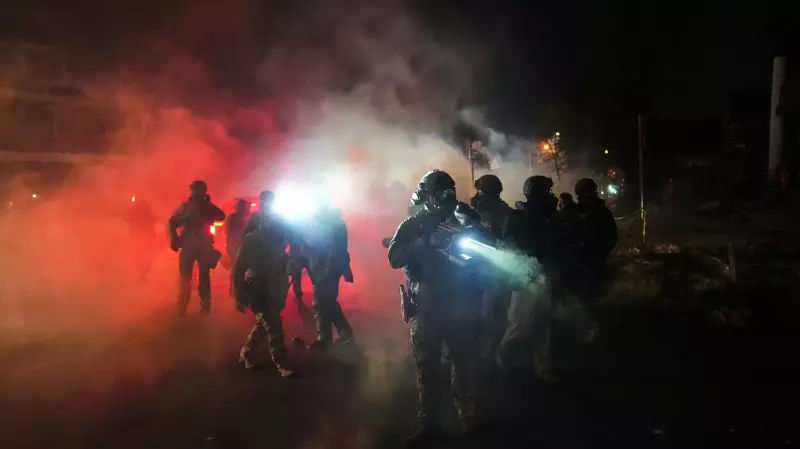
The most severe clashes occurred that Wednesday at the scene of a reported shooting. Federal officers fired pepper balls and deployed more tear gas. Law enforcement officers were photographed standing amid the chemical haze, while protesters were hit with projectiles. The repeated use of chemical agents and the discovery of live ammunition magazines on the ground highlighted the dangerous and volatile atmosphere.
Throughout the week, figures like U.S. Border Patrol Commander Gregory Bovino were seen on the ground, and local residents such as Sue Claude, 65, of Minneapolis, stood outside the federal building, demonstrating the wide demographic reach of the concern.
The series of events from January 9 to 14, 2026, underscores a deep rift between federal immigration enforcement tactics and the Minneapolis community. The shooting of Renee Good has become a flashpoint, mobilizing students, activists, and ordinary citizens into a sustained movement demanding accountability and change, while federal authorities have responded with increasingly assertive crowd control measures.