A federal judge in Minnesota has placed significant restrictions on how federal immigration officers can interact with demonstrators during enforcement operations in the Minneapolis area. The ruling, delivered on Friday, marks a pivotal moment in the ongoing debate over protest rights and immigration crackdowns.
Court Order Protects Peaceful Demonstrators
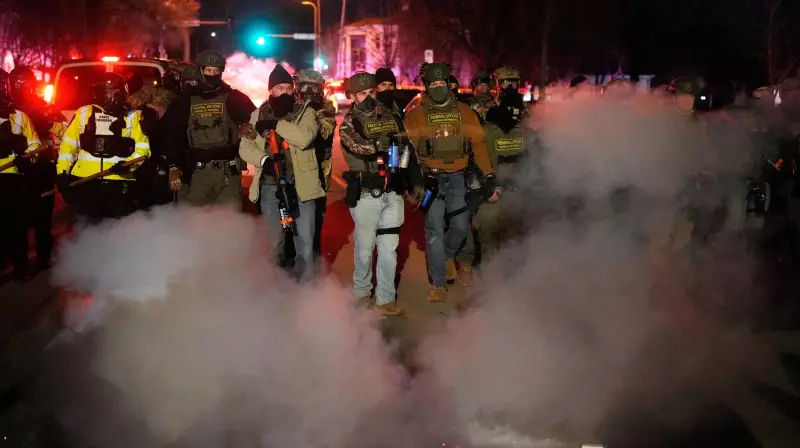
U.S. District Judge Kate Menendez issued the order, which explicitly prohibits federal officers from detaining or using tear gas against individuals who are protesting peacefully. This decision stems from a lawsuit filed in December by six Minnesota activists, who argued that the tactics used by officers were violating their constitutional rights.
The activists are represented by the American Civil Liberties Union of Minnesota. The ACLU contends that the actions of Immigration and Customs Enforcement (ICE) and Border Patrol officers, who have been active in the Minneapolis-St. Paul area since early December as part of a major enforcement push, have overstepped legal boundaries and intimidated the community.

Contested Authority in Immigration Crackdown
The situation has drawn thousands of observers to monitor the federal officers' activities. The enforcement operation is part of a broader national immigration policy initiative. Government attorneys defended the officers' conduct, stating they have been operating within their legal authority to both enforce immigration laws and ensure their own safety during operations.
However, the plaintiffs' evidence, which included instances of aggressive tactics, persuaded the court to intervene. The ruling references an incident on Wednesday, January 14, 2026, where a federal law enforcement officer deployed pepper spray during a protest following a shooting in Minneapolis. This event underscored the tensions present in the region.
Implications for Enforcement and Civil Liberties
Judge Menendez's ruling creates a clear legal boundary for federal agents operating in a protest environment. It emphasizes that the First Amendment rights of peaceful assembly and speech must be protected, even in the context of contentious immigration enforcement actions.
This case highlights the ongoing friction between federal enforcement priorities and local civil liberties. The decision is expected to set a precedent for how similar operations are conducted in other cities across the United States, potentially influencing the conduct of federal officers nationwide when they encounter public demonstrations.