Organizers across the United States are calling for a wave of demonstrations targeting U.S. Immigration and Customs Enforcement (ICE). This mobilization comes in direct response to recent shootings in Minneapolis, Minnesota, and Portland, Oregon, which have intensified public scrutiny of federal immigration enforcement tactics.
Catalyst for Nationwide Action
The planned protests were sparked by specific incidents in two major cities. In Minneapolis, the local community has been galvanized following a shooting there. Simultaneously, a similar event in Portland, Oregon, has added fuel to the growing national movement. While the Associated Press reported on these developments on January 10, 2026, specific details regarding the nature of the shootings and any potential connection to ICE operations were not fully elaborated in the initial wire report.
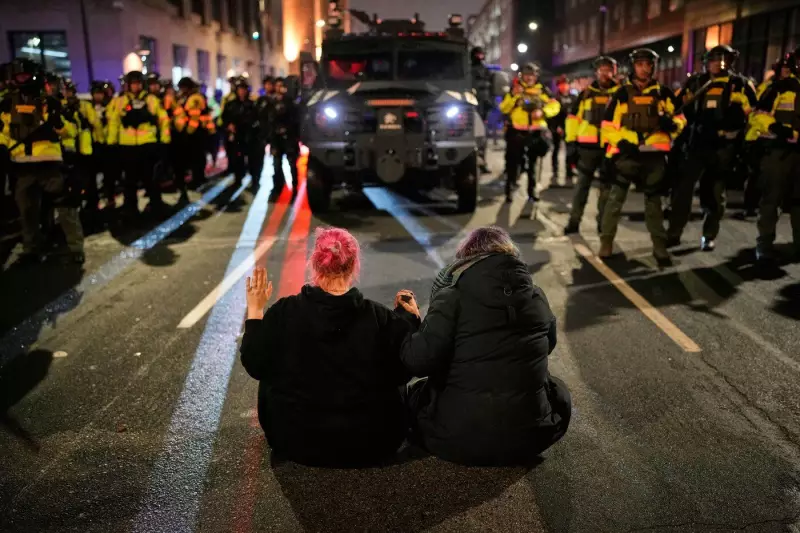
Visual evidence of rising tensions was captured on Friday, January 9, 2026, in Minneapolis. A powerful photograph by AP Photo/John Locher showed two individuals sitting in a street, holding hands in a silent demonstration. They positioned themselves in front of Minnesota State Patrol vehicles during a protest and noise demonstration. The clear aim of that gathering was to demand an end to federal immigration enforcement operations within the city.

A Growing Movement of Dissent
The coordination of protests across multiple states indicates a structured, national response rather than isolated local events. Advocacy groups and community organizers are leveraging these recent violent episodes to highlight broader concerns about the conduct and scope of ICE. The central message of the movement calls for a fundamental reevaluation, and in many cases a complete cessation, of certain ICE enforcement practices.
These events occur within a complex and often heated national dialogue on immigration policy, security, and civil liberties. The shootings in Minneapolis and Portland appear to have acted as a flashpoint, consolidating existing grievances into a coordinated call for public action and accountability.
Anticipated Impact and Response
As plans for the cross-country protests solidify, cities are likely preparing for potential disruptions and large public assemblies. Law enforcement agencies, including local police and possibly federal authorities, will be monitoring the situation. The scale and timing of the planned demonstrations underscore a significant level of public engagement with the issue of immigration enforcement.
The coming days will reveal the full scope and intensity of this protest movement. The outcomes could influence public discourse, put pressure on political representatives, and potentially lead to calls for congressional hearings or policy reviews regarding ICE protocols and oversight.