Minnesota Somali Community Establishes House Call Care Network Amid Immigration Enforcement Concerns
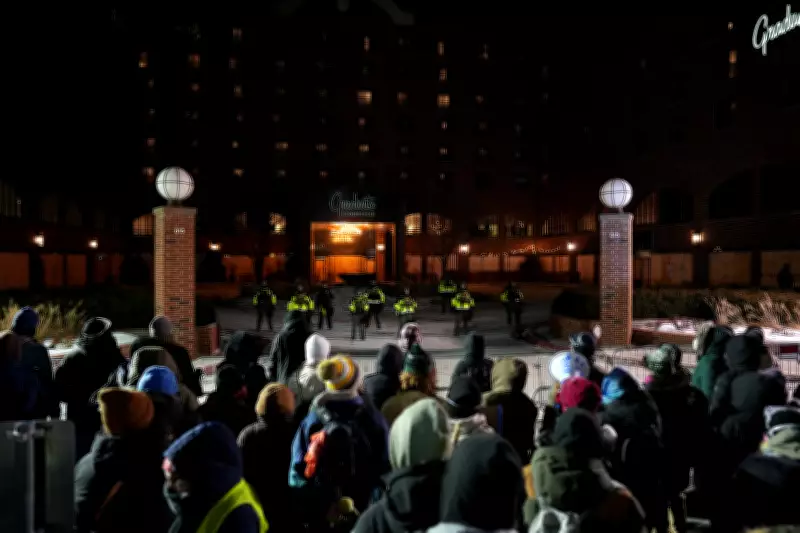
In a proactive response to growing fears surrounding immigration enforcement actions, the Somali community in Minnesota has mobilized to create a robust house call care system. This grassroots initiative aims to provide essential support and assistance to vulnerable individuals and families who may be apprehensive about seeking help through traditional channels due to potential interactions with Immigration and Customs Enforcement (ICE) officials.
Community-Driven Response to Enforcement Anxiety
The organizing effort comes at a time when many immigrant communities across North America are experiencing increased anxiety about enforcement actions. Community leaders in Minnesota have recognized that these fears can prevent people from accessing necessary medical care, social services, and emergency assistance. By establishing a network of trusted community members who can provide care directly in homes, organizers hope to bridge this gap and ensure that no one goes without essential support due to immigration status concerns.
This initiative represents a significant community-led approach to addressing the practical challenges that arise when immigration enforcement actions create barriers to accessing traditional care systems. Volunteers within the Somali community are being trained to provide various forms of assistance, from basic health checks to connecting families with legal resources and social services.

Building Trust and Safety Through Direct Care
The house call model offers several distinct advantages in this context. First, it allows care providers to reach people who might otherwise avoid clinics or hospitals due to fears about encountering immigration officials. Second, it creates opportunities for culturally sensitive care delivery by members of the community who understand both the language and the specific concerns facing Somali residents. Third, it establishes trust through personal relationships rather than institutional interactions.
Community organizers emphasize that this is not just about responding to immediate fears but about building sustainable support networks that can serve the community long-term. The initiative includes educational components to help community members understand their rights and available resources, as well as systems for rapid response when specific needs arise.
Broader Context of Immigration Enforcement Concerns
This community response occurs against a backdrop of ongoing debates about immigration policy and enforcement practices. While the specific triggers for the current organizing effort relate to recent enforcement actions and related anxieties, the underlying need for accessible, culturally appropriate care for immigrant communities has existed for much longer. The Minnesota Somali community's initiative represents an innovative approach to meeting these needs through community solidarity and mutual support.
The success of such grassroots efforts often depends on several factors including volunteer participation, coordination with existing service providers, and the ability to maintain privacy and security for both care recipients and providers. Community leaders report strong initial engagement from volunteers and positive responses from those receiving assistance through the new network.