Supreme Court Case Puts Temporary Protected Status for Haitians and Syrians at Risk
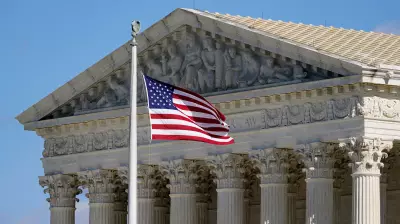
On Monday, the U.S. Supreme Court announced it will hear a case that could determine the fate of temporary protected status for hundreds of thousands of Haitian and Syrian nationals. This decision has sparked immediate alarm among advocates, who warn of a potentially deadly outcome. If the court rules to end TPS, approximately 350,000 Haitians currently protected under this special immigration status could lose their legal standing and face deportation en masse.
Family Separation Crisis Looms as Parents Face Impossible Choices
Tessa Petit, executive director of the Florida Immigrant Coalition, emphasized the dire consequences during a media briefing on Tuesday. She explained that many Haitian TPS recipients might be forced to make an agonizing decision: leave their U.S.-born children behind or take them back to a dangerous homeland. "For any parent who is a recipient of TPS who would have to go back to Haiti, they would have to make the difficult choice of either leaving their children behind — or taking them to their death," Petit stated.
Estimates reveal the scale of this potential crisis:

- Around 50,000 U.S. citizen children have at least one Haitian parent with TPS.
- Approximately 80,000 Haitian children are themselves TPS recipients.
Thamara Labrousse, executive director of Sant La, a Florida-based advocacy group for Haitian Americans, highlighted that many of these children have deep roots in the United States. "Some of these children were born in the United States and are American citizens. Others arrived at an early age and have grown up in American schools and communities," she said. "For many of them, the United States is the only home that they know. Their futures now hang in the balance."
Haiti's Dangerous Conditions Pose Severe Risks for Children
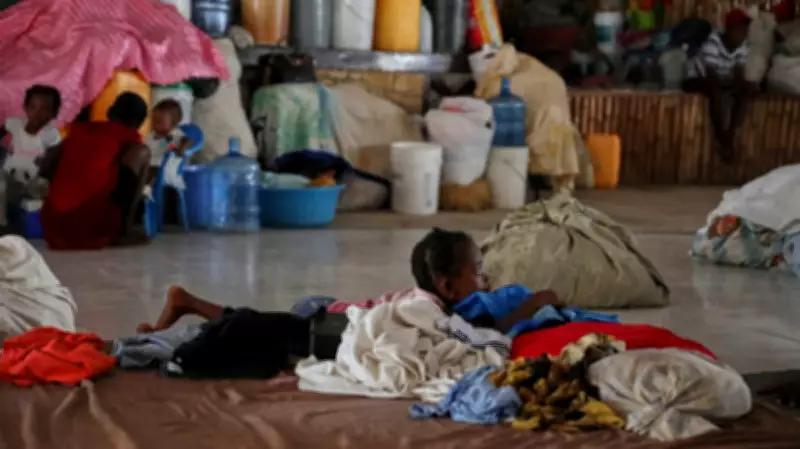
Haiti is currently plagued by extreme violence and instability, making it an unsafe environment for children. Haitian nationals initially received TPS in 2010 following a devastating earthquake that killed over 300,000 people, and again in 2021 after the assassination of President Jovenel Moise. The subsequent government collapse has allowed violent gangs to seize control of neighborhoods in Port-au-Prince and surrounding areas.
William O'Neill, the United Nations' designated expert on human rights in Haiti, described the rampant sexual violence during the call. "The girls and women, also increasingly some men and boys, have been subjected to sexual violence," he noted. "They're extremely vulnerable, and the state has almost no services to offer any survivors."
Deported children would be exposed to:
- Widespread gang violence and coercion into criminal groups.
- High rates of sexual abuse with limited support services.
- A barely functional education system; most students in the Port-au-Prince region haven't had a regular school year since 2018.
Labrousse added, "Violence, insecurity and instability have disrupted daily lives, limited access to education, and created severe risk for families."
Broader TPS Revocations Under the Trump Administration
Despite promises to focus on undocumented immigrants and serious criminals, the Trump administration has actively sought to revoke legal statuses and expand deportation eligibility. Currently, about one million TPS recipients from various countries reside in the U.S., but the administration aims to effectively terminate the program for many groups.
Recent actions include:
- The Supreme Court allowed the government to end protections for around 350,000 Venezuelans last year, making them vulnerable to deportation.
- Efforts to end TPS for nationals from Somalia, South Sudan, Ethiopia, and other countries are underway.
If successful, these revocations could put more than 260,000 U.S. citizen children at risk of family separation. Some measures have faced legal challenges; for instance, after Homeland Security Secretary Kristi Noem announced the termination of TPS for Haitians in November, lower courts blocked the order. The Supreme Court has now agreed to hear the administration's appeal, combining it with a similar case involving Syrian TPS recipients.

Legal Proceedings and Advocacy Efforts
Arguments in the Supreme Court case are scheduled for late April, with a decision expected in the following months. Notably, the court has not granted the administration's request to allow deportations to proceed during the legal process, providing a temporary reprieve for those at risk.
Advocates continue to raise awareness about the potential humanitarian crisis. Petit urged, "We need people, and we need America to hear the truth about what is happening to Haiti and the risk to our children." As the legal battle unfolds, the fate of thousands of families remains uncertain, highlighting the ongoing tensions between immigration policy and human rights concerns.