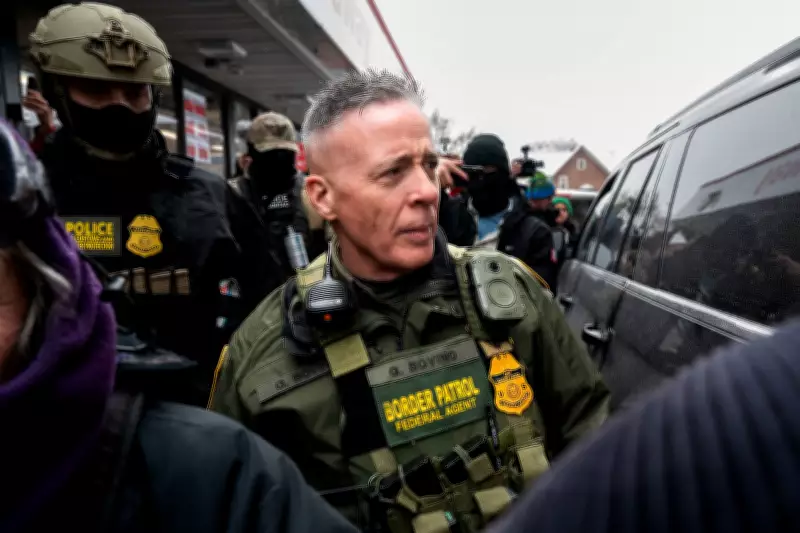
Top U.S. Border Patrol Official Gregory Bovino Plans Retirement, Insider Sources Reveal
In a significant development for U.S. border security operations, Gregory Bovino, a high-ranking official within the U.S. Border Patrol, is preparing to retire, according to multiple sources familiar with the matter. The announcement, which surfaced recently, signals a notable shift in leadership at a time when border management remains a contentious and highly scrutinized issue across the nation.
Leadership Transition Amid Ongoing Border Debates
Gregory Bovino has served as a key commander in the U.S. Border Patrol, overseeing critical operations and strategies aimed at managing the country's borders. His planned retirement comes as the agency continues to navigate complex challenges related to immigration enforcement, humanitarian concerns, and political pressures. Sources indicate that Bovino's departure is expected to prompt a reorganization within the Border Patrol's upper echelons, potentially influencing future policy directions and operational tactics.
The timing of this retirement is particularly noteworthy, given the ongoing national discourse on border security and immigration reform. Bovino's tenure has seen periods of heightened activity and public attention, with border issues frequently dominating headlines and political agendas. His exit may lead to a reassessment of current approaches and the introduction of new leadership perspectives in handling cross-border movements and security protocols.

Implications for Border Security and Policy
As Bovino steps down, the U.S. Border Patrol faces the task of ensuring a smooth transition to maintain operational continuity. The agency's role is crucial in implementing federal immigration policies, conducting patrols, and addressing emergencies along the border. Bovino's retirement could impact day-to-day operations and long-term strategic planning, especially as the United States grapples with fluctuating migration patterns and evolving security threats.
Insiders suggest that Bovino's decision to retire is based on personal considerations, though it aligns with a broader trend of leadership changes within federal law enforcement agencies. The vacancy left by his departure will likely be filled through an internal promotion or external appointment, with the selection process drawing attention from policymakers and advocacy groups invested in border issues.
Key Points to Consider:- Gregory Bovino's retirement marks a pivotal moment for the U.S. Border Patrol, potentially altering its leadership dynamics and operational focus.
- The change occurs against a backdrop of intense political and public scrutiny over border management and immigration enforcement strategies.
- Future appointments to Bovino's position will be closely watched, as they could signal shifts in policy priorities or enforcement methodologies.
- Border security remains a top concern for many Americans, making this transition relevant to national security and domestic policy discussions.
While official confirmation from the U.S. Border Patrol is pending, sources close to the situation affirm that Bovino's retirement plans are underway. As details emerge, stakeholders from government agencies to community organizations will be monitoring how this leadership change influences border operations and the broader immigration landscape in the coming months.