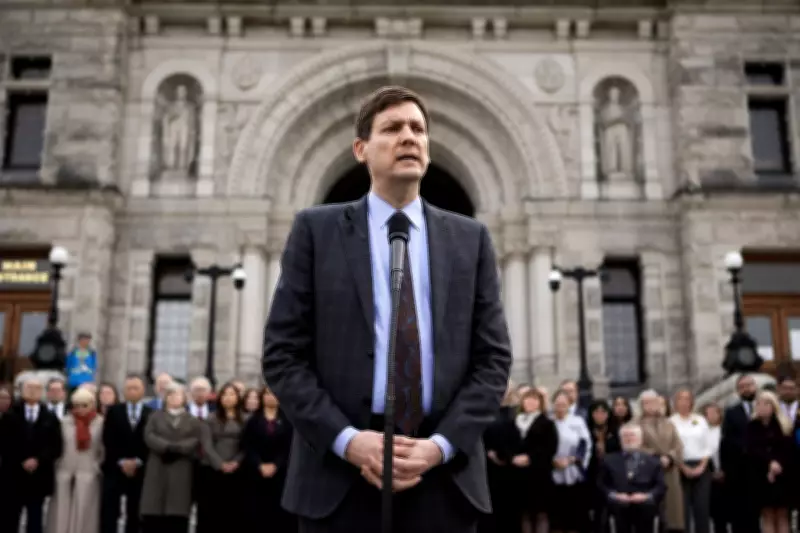
The government of British Columbia is preparing to introduce legislation that would temporarily suspend a significant Indigenous rights law, a move that has sparked immediate and forceful opposition from First Nations across the province. Indigenous leaders are now urgently calling on Members of the Legislative Assembly (MLAs) to reject the proposed suspension, framing it as a critical setback for reconciliation and self-determination efforts.
Proposed Suspension Sparks Immediate Backlash
According to reports, the B.C. government plans to table a bill that would put a hold on the implementation of the Indigenous rights legislation, which was originally designed to affirm and protect the rights of First Nations communities within the province. The specific details of the suspension, including its duration and scope, are expected to be outlined in the upcoming legislative session. However, the mere announcement has already triggered a wave of concern and condemnation from Indigenous groups who view the law as a foundational step toward addressing historical injustices and advancing meaningful partnership.
First Nations Leaders Mobilize Opposition
In response to the government's intentions, First Nations representatives have launched a concerted campaign to persuade MLAs to vote against the suspension. They argue that pausing the law undermines years of negotiation and consultation, erodes trust, and signals a retreat from commitments to Indigenous rights and title. "This is not just a legal issue; it's a moral one," stated one First Nations chief in a recent statement. "Suspending this law ignores the voices and rights of our peoples and jeopardizes the progress we've made together."

The opposition is being organized through rallies, public statements, and direct appeals to legislators, emphasizing the potential negative impacts on community governance, land stewardship, and cultural preservation. First Nations leaders are highlighting that the law in question was developed through collaborative processes intended to foster cooperation and respect, and its suspension could lead to increased tensions and legal challenges.
Political and Social Implications
The debate over the suspension is unfolding against a backdrop of broader political and social dynamics in British Columbia. Premier David Eby and his government face pressure to balance various interests, including economic development and resource management, while upholding commitments to Indigenous reconciliation. The proposed move has drawn criticism not only from Indigenous communities but also from advocacy groups and some political opponents who see it as contradictory to the province's stated goals of building stronger relationships with First Nations.
Analysts suggest that the suspension could have far-reaching consequences, affecting everything from land-use agreements to funding for Indigenous-led initiatives. It also raises questions about the consistency of government policies regarding Indigenous rights, especially in light of previous assurances and international standards. As the legislative process moves forward, all eyes will be on how MLAs respond to the calls for rejection, with the outcome likely to shape the trajectory of Indigenous-government relations in the province for years to come.
Looking Ahead: A Critical Vote
With the bill expected to be tabled soon, the coming weeks will be crucial for both supporters and opponents of the suspension. First Nations leaders are urging the public to engage with the issue and contact their MLAs to express support for upholding the Indigenous rights law. They emphasize that this is a pivotal moment for British Columbia to demonstrate its commitment to reconciliation and justice, rather than taking a step backward.
The government has yet to release a detailed rationale for the suspension, but it is anticipated that debates in the legislature will center on practical considerations, legal interpretations, and the broader implications for provincial-Indigenous partnerships. Regardless of the outcome, the controversy underscores the ongoing challenges and complexities in navigating Indigenous rights within Canada's political landscape, highlighting the need for continued dialogue and respect for First Nations' sovereignty and aspirations.