Eby's Contradictory Statements Undermine Indigenous Reconciliation Efforts
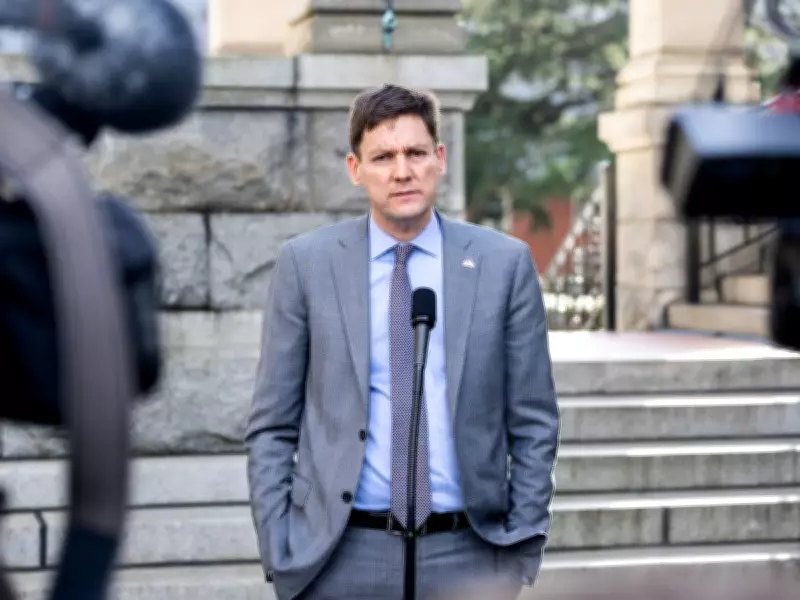
Premier David Eby of British Columbia began the week with a lighthearted event, joking with elementary schoolchildren about the province's switch to permanent daylight time, aiming to divert attention from his 2026 budget's negative fallout. However, the real distraction emerged during a subsequent news conference, where Eby's handling of questions about a federal Indigenous rights agreement revealed significant missteps.
Denial and Backtracking on Musqueam Agreement
When asked about the federal government's agreement recognizing Aboriginal rights and title for the Musqueam nation over Metro Vancouver, Eby initially claimed ignorance. He stated, "I haven't been briefed yet on the content of the agreement," and emphasized having no "line of sight" on the matter. This denial quickly unraveled when a photo surfaced showing Eby seated in the front row at the signing ceremony on February 20.
Faced with undeniable evidence, Eby admitted in the legislature on Tuesday, "I was honoured and glad to be attending. I absolutely sat in the front row." Instead of expressing contrition, he shifted blame, criticizing the federal government and the Conservative Opposition for not providing adequate briefings.

Internal Investigation Reveals Communication Breakdown
Eby's assertion that the B.C. government received no advance notice was contradicted by federal Crown-Indigenous Relations Minister Rebecca Alty, who confirmed that a heads-up had been given. This prompted an internal investigation within the NDP government, revealing that a junior staffer in the Indigenous Relations Ministry was briefed by Ottawa but failed to relay the information to higher-ups.
Indigenous Relations Minister Spencer Chandra Herbert disclosed this finding to reporters before Wednesday's question period, highlighting a critical communication failure within the administration.
Implications for Reconciliation and Political Accountability
Eby's inconsistent messaging and lack of transparency have raised concerns about his commitment to Indigenous reconciliation. By initially denying knowledge and then deflecting responsibility, he has eroded trust and diverted focus from substantive policy issues. This episode underscores the challenges in navigating complex Indigenous rights agreements and the importance of clear, honest communication in fostering reconciliation.
As British Columbia grapples with these developments, the premier's actions are proving to be a more significant threat to Indigenous reconciliation efforts than opposition from the B.C. Conservatives, emphasizing the need for accountability and improved governance in this critical area.