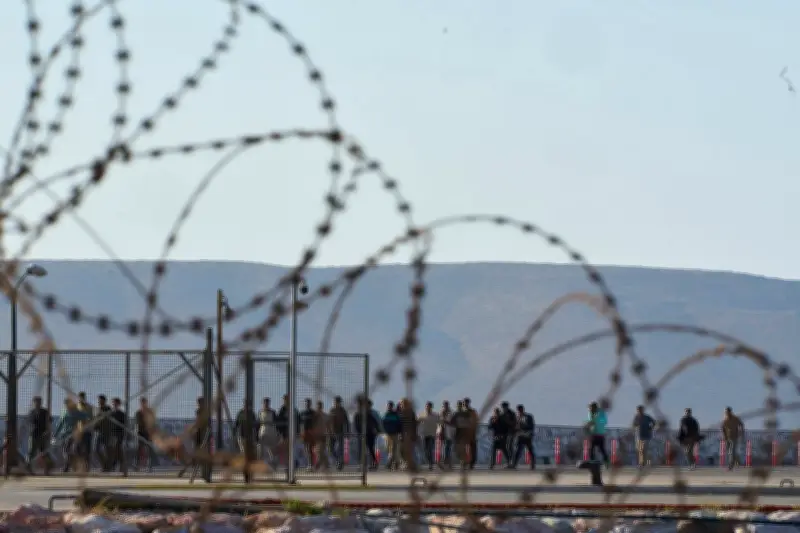
The European Union's new rules on migration and asylum officially came into effect, marking a significant overhaul of the bloc's approach to handling arrivals. The reforms, which were years in the making, aim to create a more efficient and fair system for processing asylum claims and distributing responsibility among member states.
Key Changes Under the New Rules
The updated framework includes several major components. One of the most notable is the mandatory solidarity mechanism, which requires all EU countries to either accept a quota of asylum seekers or contribute financially to support frontline states like Greece, Italy, and Spain. This replaces the previous Dublin Regulation, which placed the burden on the first country of entry.
Faster Asylum Procedures
The rules introduce accelerated border procedures for individuals from countries with low recognition rates. Asylum seekers deemed to have weak claims could be processed within weeks rather than months, with decisions made at the border. This is intended to deter unfounded applications and reduce backlogs.

Improved Screening and Identification
Enhanced screening at external borders will include health and security checks, fingerprinting, and registration. The new Eurodac database will store biometric data for all arrivals, facilitating tracking and preventing multiple applications across different states.
Reactions and Challenges
Human rights organizations have expressed concerns about the potential for prolonged detention and limited access to legal aid under the accelerated procedures. Meanwhile, some EU governments worry about the implementation costs and the political fallout of mandatory quotas. The European Commission has pledged support and monitoring to ensure compliance.
The reforms are seen as a critical test of EU unity on a deeply divisive issue. With migration flows expected to continue, the success of these rules will depend on cooperation among member states and the capacity to uphold both security and humanitarian standards.