Fallout Persists Following B.C. Premier's Decision to Delay DRIPA Changes
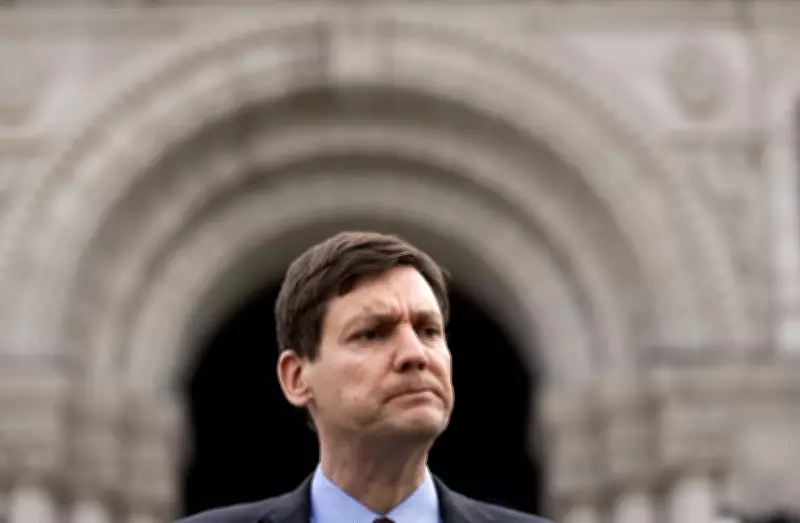
The political landscape in British Columbia remains turbulent as Premier David Eby's recent decision to hold off on implementing changes to the Declaration on the Rights of Indigenous Peoples Act (DRIPA) continues to generate significant backlash and debate. This move, announced in late April 2026, has sparked intense reactions from Indigenous communities, opposition parties, and advocacy groups across the province.
Background and Immediate Reactions
The DRIPA legislation, originally enacted to align provincial laws with the United Nations Declaration on the Rights of Indigenous Peoples, has been a cornerstone of B.C.'s reconciliation efforts. Premier Eby's announcement to delay amendments has raised concerns about the government's commitment to advancing Indigenous rights and addressing historical injustices. Critics argue that this postponement undermines progress and could strain relationships with First Nations leaders who have been pushing for swift action.
In the weeks following the decision, public demonstrations and statements from Indigenous organizations have highlighted the growing frustration. Many have called for transparency and a clear timeline from the provincial government, emphasizing that delays in DRIPA changes could have real-world impacts on land claims, resource management, and self-governance initiatives.

Political and Social Implications
The fallout extends beyond Indigenous circles, with opposition politicians seizing on the issue to challenge the premier's leadership. Members of the legislative assembly have questioned the rationale behind the delay, suggesting it may be politically motivated or indicative of deeper disagreements within the ruling party. This controversy has added to existing tensions in B.C. politics, particularly as the province grapples with other pressing issues such as housing affordability and healthcare reform.
Moreover, the decision has sparked a broader public discourse on reconciliation in Canada. Advocates point out that DRIPA was intended to be a proactive framework for collaboration, and any stalling could be perceived as a step backward. This has led to increased scrutiny of how provincial and federal governments are working together to uphold Indigenous rights, especially in light of overlapping claims and treaty negotiations that have been in the news recently.
Looking Ahead: Calls for Action and Resolution
As the fallout continues, there are mounting calls for Premier Eby to provide a detailed plan for when DRIPA changes will be revisited. Stakeholders are urging the government to engage in meaningful consultation with Indigenous communities to ensure that any future amendments are robust and effective. The premier's office has indicated that the delay is temporary, aimed at allowing for more comprehensive review and input, but this has done little to quell the unrest.
The situation in British Columbia serves as a critical reminder of the complexities involved in implementing Indigenous rights legislation. With DRIPA being a key component of the province's legal and social framework, the ongoing debate underscores the need for sustained commitment and dialogue to achieve true reconciliation. As developments unfold, all eyes will be on how the government navigates this challenging period and whether it can rebuild trust with affected communities.