First Nations Leaders Rally at Alberta Legislature to Demand UCP Denounce Separatism
Dozens of First Nations chiefs, leaders, and community members filled the gallery of the Alberta Legislature building on Monday, lending their support to an opposition no-confidence vote and urging Premier Danielle Smith and the United Conservative Party (UCP) government to publicly denounce separatism. The gathering marked a significant show of unity and political pressure amid growing tensions over Indigenous rights and provincial sovereignty debates.
A Personal Affront to First Nations
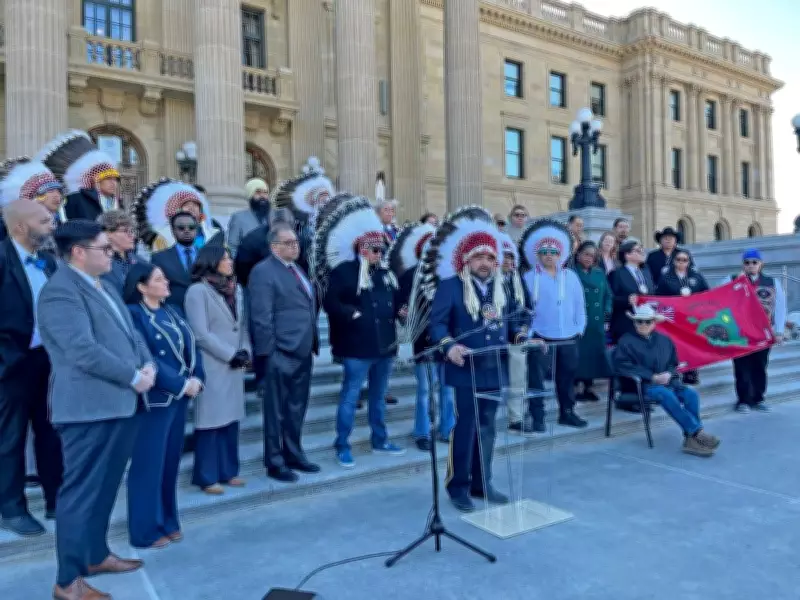
Speaking on the legislature steps later that afternoon, Sturgeon Lake Cree Nation Chief Sheldon Sunshine emphasized that people across Alberta and Canada should pay close attention to the events unfolding in the legislative chamber. "We've just witnessed what the UCP really think of First Nations here—when they minimize First Nations and call this non-confidence vote by the Alberta chiefs a stunt by the NDP, I take that personally," Sunshine declared passionately.
He further stated, "I want to make it known here today that we will do everything we can to stand up against this type of government today, tomorrow, and all the days ahead." His remarks underscored the deep-seated frustrations among Indigenous leaders who feel their concerns are being dismissed by the provincial administration.

Motion Defeated Amid Heated Exchanges
The motion, introduced by Alberta NDP leader Naheed Nenshi, was ultimately shut down by the UCP government. Government House Leader Joseph Schow dismissed it as a "political stunt" by the opposition, sparking audible reactions from the gallery. As the motion was defeated, heckles including "Shame! Shame!" "Traitors," and "Denounce separatism" echoed through the chamber, highlighting the charged atmosphere.
This push comes less than two weeks after the Assembly of Treaty Chiefs (AOTC) unanimously passed a vote of non-confidence in Smith's government, citing serious concerns over the rising separatist sentiment in Alberta. The AOTC's action reflects broader Indigenous apprehensions about how potential separation could impact treaty rights and constitutional protections.
Government Response and Legal Challenges
Indigenous Relations Minister Rajan Sawhney addressed reporters on Thursday, asserting that she believes she is actively addressing the concerns of First Nations leaders. "I always affirm that the Constitution is the highest law in the land and section 35 rights are entrenched in the Constitution. There's no legislation, policy, or decision that will ever supersede that," Sawhney stated, reaffirming the government's commitment to constitutional obligations.
However, underlying legal disputes complicate the relationship. In January, Sturgeon Lake Cree Nation filed a lawsuit alleging that Alberta, its chief electoral officer, and the Attorney General of Canada breached their legal and treaty obligations. The nation claims the provincial government conspired to pave the way for a controversial separation referendum question ahead of a potential vote, actions they argue undermine Indigenous sovereignty.
Sunshine explained the necessity of such legal actions, noting, "We don't want to have legal challenges. They're expensive, but it's because we have to protect our way of life." He warned, "It's not just this one court case. There's multiple coming, and if they don't want to change their ways or their status, it's going to have an immense impact."
Strained Relationships and Future Implications
Treaty 8 First Nations of Alberta Grand Chief Trevor Mercredi expressed the difficulties in fostering a constructive relationship with the government after witnessing how First Nations' rights have been minimized. "It's very tough to create a relationship with the government after witnessing how they've minimized the rights of First Nations," Mercredi remarked, pointing to a trust deficit that could hinder future collaborations.

The rally at the legislature serves as a potent reminder of the ongoing struggles between Indigenous communities and provincial authorities over issues of sovereignty, rights, and political representation. As tensions simmer, the call for the UCP to denounce separatism remains a central demand, with First Nations leaders vowing to continue their advocacy through both political and legal avenues to safeguard their constitutional and treaty rights in Alberta.