Canada Updates Travel Advice for First Nations Crossing U.S. Border
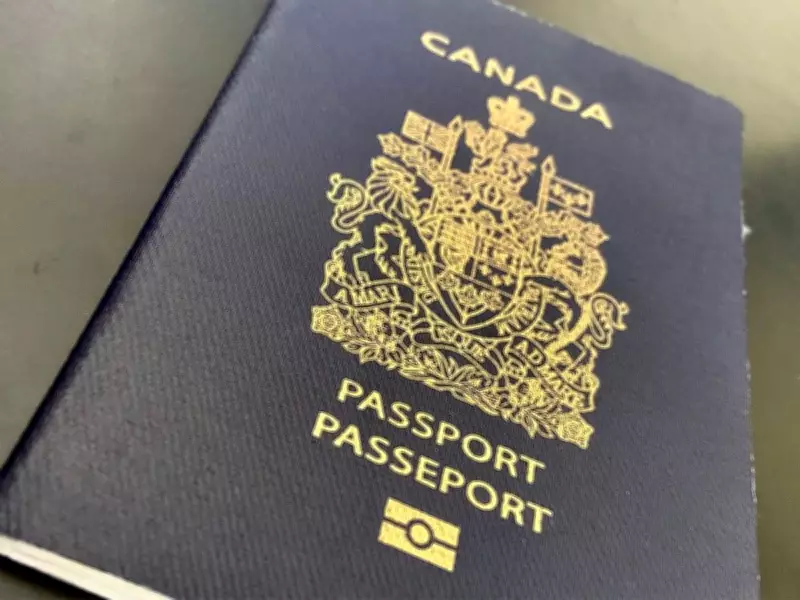
In a significant policy shift, the Canadian government has issued updated travel guidance specifically for First Nations people and Native Americans born in Canada. The new advisory strongly recommends carrying a valid Canadian passport when traveling to the United States, marking a departure from previous practices where secure status cards were often sufficient for border crossings.
From Status Cards to Passports: A Changing Border Landscape
For years, many Indigenous travelers have relied on secure status cards when crossing the Canada-U.S. border by land. However, Indigenous Services Canada now emphasizes that acceptance of these cards remains entirely at the discretion of U.S. border officials. More critically, status cards are not recognized as valid travel documents for air travel, creating potential complications for Indigenous people flying to American destinations.
The Assembly of First Nations, representing the majority of First Nations in Canada, issued its own strongly worded advisory in late January amid ongoing tensions in several U.S. cities. "The Assembly of First Nations has heard reports that some First Nation citizens have been subjected to increased questioning and detainment by U.S. Immigration and Customs Enforcement," the organization stated, while reaffirming First Nations' inherent and Treaty rights to cross-border mobility.

Multiple Nations Issue Travel Warnings
Several First Nations communities have responded to the changing border environment with their own specific advisories:
- Alberta's Blood Tribe Chief and Council has urged members to exercise caution when crossing the U.S. border, citing recent incidents where Indigenous people were stopped or detained by American authorities.
- Mississauga First Nation in Ontario, located approximately 90 miles from the border at Sault St. Marie, Michigan, has issued a travel advisory referencing "ongoing actions by U.S. Immigration and Customs Enforcement involving the detention of First Nation and Indigenous peoples."
- Aamjiwnaang First Nation, situated across the St. Clair River from Port Huron, Michigan, issued similar warnings to its members in late January.
Alternative Documentation and Treaty Rights
In addition to passports, some First Nations are recommending members carry "border crossing letters" issued by their communities. These documents indicate that the traveler is a member with more than 50 percent Native American blood quantum and is exercising rights under the historic Jay Treaty.
Signed in 1794 between the United States and Great Britain, the Jay Treaty was designed to ensure peace and foster trade between the two nations. Crucially, it also guaranteed that First Nations people would be allowed to travel, trade, and work freely in both countries. However, contemporary border enforcement practices have created uncertainty around these longstanding rights.
Practical Recommendations for Border Crossings
First Nations and tribal officials on both sides of the border are advising community members to take specific precautions:
- Ensure status cards are current and up-to-date
- Carry additional identity documents alongside status cards
- Consider obtaining a Canadian passport for all U.S. travel
- Understand rights during encounters with law enforcement
The Native American Rights Fund offers specific guidance for border encounters, reminding Indigenous travelers of their right to remain silent and recommending they stay calm, tell the truth, and avoid actions that could be perceived as obstruction or resistance. If targeted, NARF advises people to state they do not consent to being searched and to ask agents directly whether they are being detained or free to leave.
Meanwhile, some communities in North Dakota, South Dakota, and Minnesota have begun hosting identity document clinics to help Indigenous people navigate these changing requirements. As border policies continue to evolve, First Nations travelers face the practical challenge of balancing historical treaty rights with contemporary security protocols.