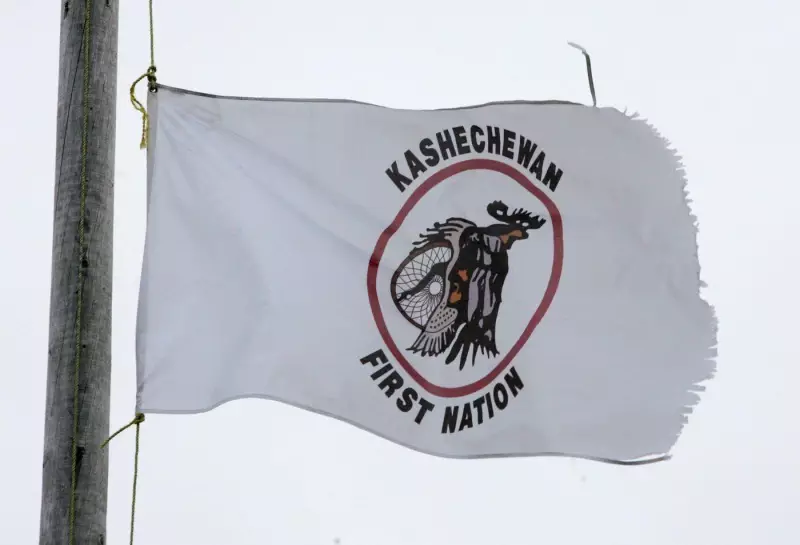
Leaders from the Kashechewan First Nation are issuing a powerful call for sustainable, long-term solutions to address the community's persistent water crisis. The plea comes as residents continue to grapple with the challenges of accessing clean, safe drinking water, a fundamental issue that has plagued the remote Northern Ontario community for years.
A History of Boil-Water Advisories and Temporary Fixes
The situation in Kashechewan is not a new emergency but a chronic condition. The community, located on the shore of James Bay, has been subjected to repeated boil-water advisories and states of emergency related to its water supply. Years of temporary measures and short-term fixes have failed to resolve the core infrastructure problems. Leaders argue that this cycle of crisis response is unsustainable and disrespectful to the community's well-being and dignity.
The visual symbol of the struggle is often a tattered Kashechewan First Nation flag, like the one seen flying outside St. Paul's Anglican church in archival photos, representing resilience amidst ongoing hardship. The call from leadership emphasizes moving beyond reactive measures to proactive, community-led planning for permanent water treatment and distribution systems.

The Human Cost of Inadequate Infrastructure
The water crisis impacts every aspect of daily life in Kashechewan. The lack of reliable clean water affects health, sanitation, education, and economic development. Community members, including children and elders, bear the brunt of this infrastructure failure. Leaders stress that the human right to safe water must be upheld, requiring a committed partnership and significant investment from federal and provincial governments.
The demand is for a solution that is not only engineered to last but also culturally appropriate and managed by the First Nation itself. This includes considerations for the community's specific geographical challenges, such as spring flooding that has historically compromised water infrastructure.
Pathways Forward: Investment and Partnership
The solution, according to First Nation officials, lies in substantial capital investment and a true government-to-government partnership. This means collaborative planning, adequate funding for construction and long-term maintenance, and respect for Indigenous sovereignty over water resources on their traditional territory.
The ongoing crisis in Kashechewan is a stark reminder of the broader challenge facing many Indigenous communities across Canada. The leaders' call for action underscores the urgent need to fulfill promises and close the infrastructure gap that separates many First Nations from the rest of the country. The time for stop-gap measures is over; the community is demanding a definitive end to the water crisis through permanent, sustainable solutions.