Crown Prosecutors Seek 13-Year Prison Term for Windsor Drug Trafficker in Major Fentanyl Case
Federal prosecutors are pursuing a 13-year prison sentence for a Windsor drug trafficker apprehended with more than one kilogram of fentanyl, marking one of the most substantial seizures of the lethal opioid in the city's judicial history. The case has drawn attention to the ongoing opioid crisis and the severe legal consequences for those involved in trafficking dangerous substances.
Defense Argues for Reduced Sentence Amidst Conflicting Motivations
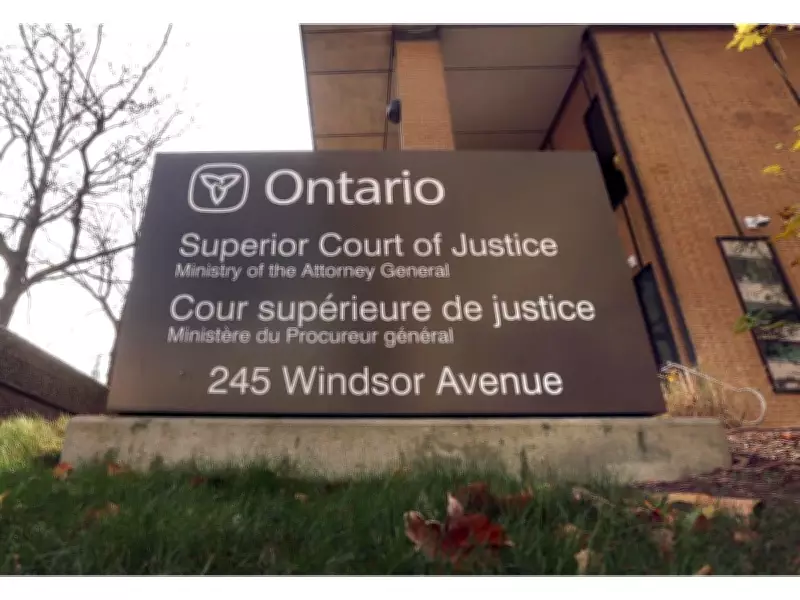
During a sentencing hearing at the Ontario Superior Court of Justice in downtown Windsor, defense lawyer Shane Miles presented arguments for a reduced 10-year prison term. Miles contended that the 55-year-old defendant, John Jason Solinski, was driven by what he described as "misguided" intentions to assist friends struggling with addiction by providing what he believed to be a safer alternative to street drugs.
"He was selling drugs ... for a number of reasons, which although misguided ... was fueled by the obvious need, in his mind, to keep people safer from this opioid crisis," Miles explained to Superior Court Justice Paul Howard. Solinski now recognizes that his intentions and actions were disconnected, according to his legal representation.

Substantial Drug Seizure and Arrest Details
Solinski was arrested by Windsor police on May 15, 2024, following a search of his apartment located in the 1100 block of Erie Street West. The investigation yielded significant quantities of illegal substances, including 1,021 grams of fentanyl and 202.4 grams of crystal methamphetamine discovered in a safe, alongside over $10,000 in cash.
Additional substances were found on Solinski's person at the time of arrest, including 3.3 grams of crystal meth, 1.3 grams of crack cocaine, and 13.6 grams of fentanyl. Federal drug prosecutor Sue Szasz emphasized the gravity of the situation, stating, "He was in possession of a massive quantity of the most toxic substance that can be possessed for the purpose of trafficking."
Legal Context and Sentencing Arguments
Szasz highlighted that this case represents one of the largest fentanyl quantities ever brought before Windsor courts. In advocating for the 13-year sentence, she referenced previous legal decisions involving fentanyl traffickers that resulted in "lengthy double-digit sentences for quantities far lower than what we have here."
The defense acknowledged the seriousness of the offense while urging consideration of mitigating factors. "We have to denounce this. We have to deter this. It has to end. But at the same time, you have to consider the other aspects in the sentencing, which includes specific deterrence," Miles stated during his submission.
Background and Current Status of the Defendant
John Jason Solinski, who was living alone and unemployed at the time of his arrest, has remained in custody since May 2024. He previously pleaded guilty to one count of possession for the purpose of trafficking, acknowledging his involvement in the drug trade.
The case underscores the dangerous nature of fentanyl, a synthetic opioid significantly more potent than heroin. According to the U.S. Drug Enforcement Administration, a mere two-milligram dose of fentanyl can be lethal, making the seized quantity particularly alarming from a public safety perspective.
As the court considers sentencing options, the contrasting arguments from prosecution and defense reflect broader debates about appropriate penalties for drug trafficking offenses amidst Canada's ongoing opioid crisis. The final decision will set an important precedent for how courts handle large-scale fentanyl trafficking cases in the Windsor region.