B.C. Hijacker Voices Regret After Entering Guilty Plea in Court
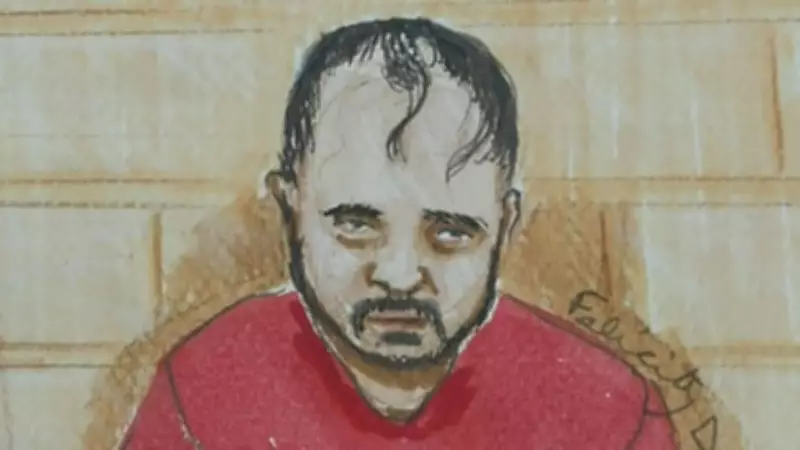
In a recent development in British Columbia, Shaheer Cassim, a man involved in a hijacking incident, has publicly expressed profound remorse after pleading guilty in provincial court. Speaking exclusively to CTV News, Cassim conveyed his apologies, stating, "I'm sorry, I'm really sorry", highlighting the emotional weight of his actions.
Court Proceedings and Sentencing
The case unfolded in B.C. provincial court, where Cassim entered a guilty plea, acknowledging his role in the hijacking. This legal step marks a significant turn in the proceedings, as it often leads to streamlined sentencing and reduced court time. Authorities have not yet disclosed specific details of the hijacking incident, but it is understood to have involved criminal acts that prompted a thorough investigation.
Cassim's expression of regret comes amid ongoing discussions about rehabilitation and accountability in the justice system. His remarks to CTV News suggest a personal reckoning with the consequences of his actions, which could influence the court's final decision on sentencing.

Broader Context and Implications
This case adds to a series of high-profile legal matters in Canada, underscoring the complexities of criminal justice and public safety. While Cassim's apology may be seen as a step toward redemption, it also raises questions about the effectiveness of remorse in mitigating legal outcomes. Experts note that such expressions can sometimes impact sentencing, but they emphasize that the primary focus remains on upholding the law and ensuring justice for victims.
In related news, other incidents across the country, such as a man wanted for allegedly following a teenager in Toronto and resellers seeking high prices for Vancouver FIFA tickets, continue to draw public attention. However, Cassim's case stands out due to his direct communication with the media, offering a rare glimpse into the personal aftermath of criminal behavior.
As the legal process continues, observers will be watching closely to see how Cassim's remorse is factored into the final judgment. This development serves as a reminder of the human elements often involved in court cases, where guilt and apology intersect with legal proceedings.