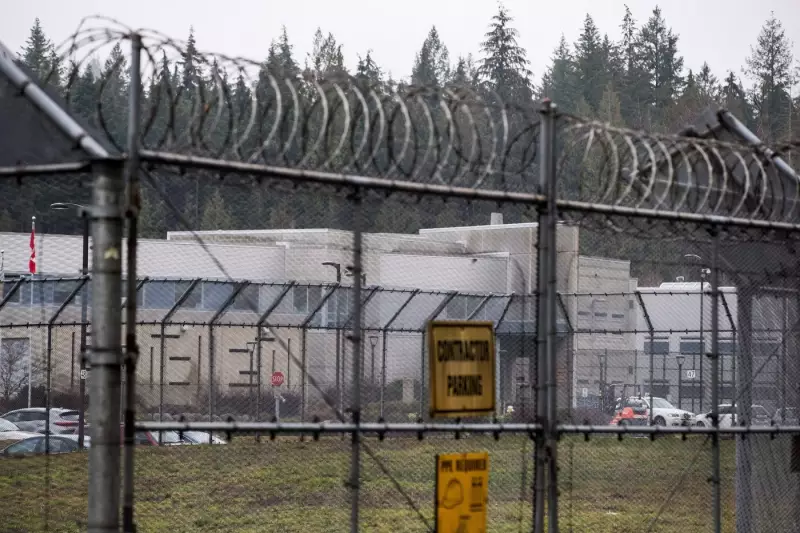
The British Columbia government has agreed to pay $60 million to settle a major class-action lawsuit filed by inmates who were subjected to solitary confinement in provincial correctional facilities.
Who Is Eligible for Compensation?
Former and current inmates who experienced solitary confinement, also known as segregation, in any B.C. provincial jail between April 1, 2005, and October 31, 2025, are now eligible to apply for a portion of the settlement fund. The lawsuit, originally filed against the province in 2018, alleged that the practice of prolonged isolation caused significant psychological harm.
The settlement covers individuals held in facilities across the province, including the Alouette Correctional Centre for Women in Maple Ridge. The class action argued that the conditions of confinement and the lack of meaningful human contact violated inmates' rights.

Details of the Legal Settlement
The $60 million settlement represents a significant resolution to years of legal challenges against the use of administrative and disciplinary segregation in B.C. prisons. A claims process will be established to distribute the funds to eligible class members, with the specific amount each person receives depending on the duration and conditions of their confinement.
This legal action is part of a broader national conversation about prison reform and the treatment of incarcerated individuals. Critics have long argued that prolonged solitary confinement constitutes cruel and unusual punishment.
Next Steps for Affected Inmates
Class members will need to submit a claim form to receive compensation. The settlement administrator will provide details on how to file, including deadlines and required documentation. It is expected that notices will be sent to potential claimants and published in media outlets to inform those affected.
The resolution of this lawsuit marks a pivotal moment for correctional policy in British Columbia, potentially leading to further reforms in how inmates are managed and housed within the provincial justice system.