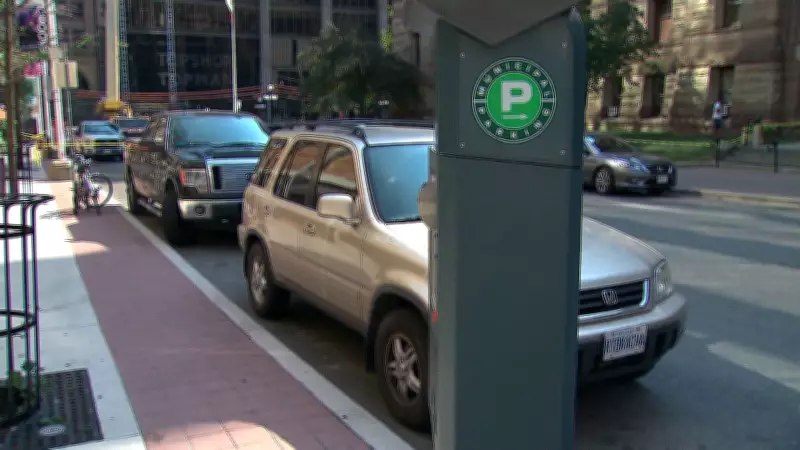
Toronto City Hall is once again evaluating a potential increase in on-street parking rates across the city, with discussions underway that could lead to higher costs for drivers as early as this year. This proposal follows a series of previous rate hikes, reflecting ongoing efforts to manage urban congestion and boost municipal revenue streams.
Background and Rationale for the Increase
The consideration for raising parking fees stems from multiple factors, including the need to address traffic flow issues in densely populated areas like downtown Toronto. City officials argue that adjusted pricing can help reduce vehicle occupancy times, thereby freeing up spaces and improving accessibility for residents and visitors alike. Additionally, the revenue generated from parking is often earmarked for infrastructure projects and public transit enhancements, aligning with broader urban planning goals.
Potential Impact on Drivers and Local Economy
If approved, the rate increase could impose additional financial burdens on daily commuters and shoppers, potentially affecting local businesses that rely on customer foot traffic. Small business owners have expressed concerns that higher parking costs might deter patrons, especially in competitive retail districts. However, proponents suggest that more efficient parking turnover could ultimately benefit commerce by increasing the number of visitors throughout the day.

Comparative Analysis with Previous Years
This year's potential hike would not be an isolated event; Toronto has implemented gradual parking rate adjustments over the past decade to keep pace with inflation and urban development. Data from city reports indicate that previous increases have contributed to a slight reduction in parking duration averages, though public feedback has been mixed regarding overall satisfaction and convenience.
Public Consultation and Next Steps
The city plans to engage in public consultations to gather input from stakeholders, including residents, business associations, and transportation advocates. These sessions will help shape the final decision, expected to be made by the city council in the coming months. Officials emphasize that any changes will be communicated well in advance to allow for public adjustment.
As Toronto continues to grow, balancing revenue generation with equitable access to parking remains a critical challenge. The outcome of this proposal will likely influence future transportation policies and urban mobility strategies in Canada's largest city.