The Supreme Court of Canada is poised to deliver a landmark ruling on the constitutionality of random police traffic stops, a decision that could reshape law enforcement practices across the nation. The case, which challenges the legal foundation of such stops under the Canadian Charter of Rights and Freedoms, has reached the nation's highest court for final adjudication.
The Case at the Heart of the Challenge
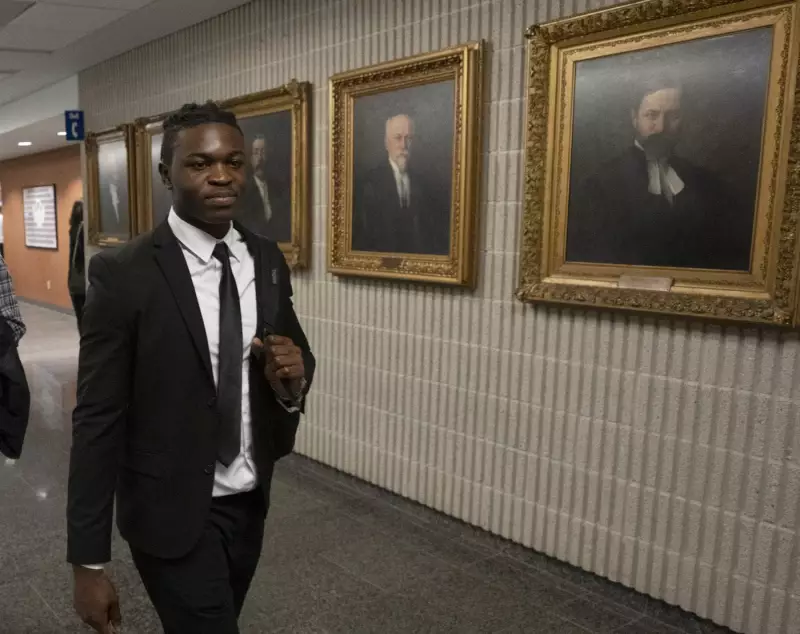
The legal challenge was brought forward by Joseph-Christopher Luamba, who is suing the government over allegations of police racial profiling. Luamba arrived for his court challenge on Monday, May 30, 2022, in Montreal. His case questions whether the common police practice of stopping drivers without any specific suspicion of wrongdoing infringes upon fundamental rights protected by the Charter.
The Supreme Court's decision will provide a definitive answer on whether this long-standing tool in traffic enforcement can withstand constitutional scrutiny. Legal experts and civil liberties advocates are closely watching, as the outcome has significant implications for police powers and individual privacy on Canadian roads.
Broader Implications for Policing and Civil Liberties
A ruling against the practice could force police departments nationwide to overhaul their procedures for conducting vehicle stops. Proponents of the challenge argue that random stops, often conducted under provincial highway traffic acts, disproportionately affect minority communities and can lead to instances of profiling.
Conversely, law enforcement agencies have historically defended the practice as a critical tool for promoting road safety, checking for impaired drivers, and ensuring vehicle compliance with regulations. The Supreme Court justices must balance these public safety concerns against the potential for arbitrary state intrusion into citizens' lives.
Awaiting a Precedent-Setting Decision
The announcement that the court will rule on this matter was noted in news reports on January 19, 2026. The impending judgment follows extensive legal arguments and lower court proceedings that have carefully examined the scope and limits of police authority during traffic interventions.
This ruling is expected to set a major legal precedent, clarifying the boundaries of acceptable police conduct during traffic stops and defining the constitutional rights of drivers. The decision will directly impact how random traffic stops are conducted in every province and territory, making it one of the most consequential Charter cases concerning everyday police interaction in recent years.