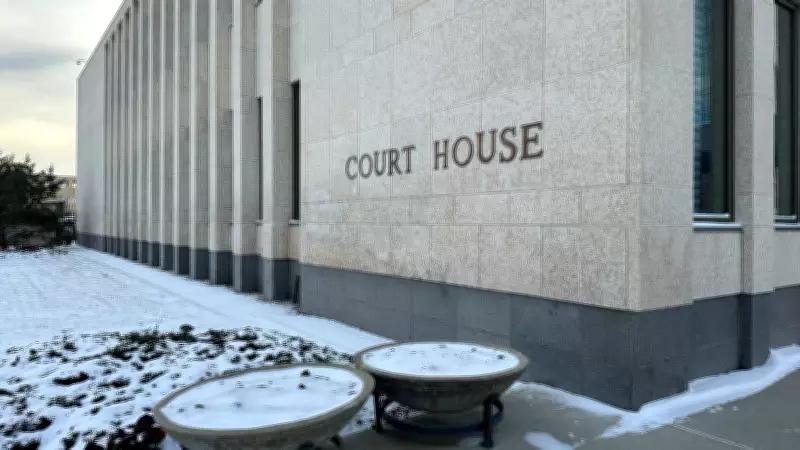
Closing Arguments Presented in Dillon Whitehawk Double Murder Trial
The high-profile double murder trial of Dillon Whitehawk is moving toward its final phase as both the Crown prosecution and defense team presented their closing arguments in court. This critical stage marks the culmination of the legal proceedings before the jury begins deliberations.
Final Legal Submissions
Prosecutors and defense attorneys made their final cases to the jury, summarizing evidence and arguments presented throughout the trial. The Crown emphasized the strength of their evidence against Whitehawk, while the defense countered with arguments challenging the prosecution's case and highlighting potential reasonable doubt.
Trial Progression
The trial has progressed through multiple phases including:

- Witness testimonies from both sides
- Forensic evidence presentations
- Expert witness examinations
- Cross-examinations of key witnesses
These elements have built the foundation upon which both legal teams based their final arguments.
Legal Context and Significance
Double murder cases represent some of the most serious criminal proceedings in the Canadian justice system. The closing arguments phase is particularly crucial as it represents the last opportunity for attorneys to directly influence the jury's perspective before they retreat to deliberate on a verdict.
The prosecution's closing argument typically focuses on reinforcing the evidence that supports guilt beyond reasonable doubt, while the defense's closing argument emphasizes any weaknesses in the prosecution's case and alternative interpretations of the evidence.
Next Steps in the Legal Process
Following the closing arguments, the trial will proceed to:
- Judge's instructions to the jury regarding legal standards
- Jury deliberation period
- Potential verdict announcement
- Sentencing phase if conviction occurs
The case has attracted considerable public and media attention due to the serious nature of the charges and the complex legal questions involved.
As the trial approaches its conclusion, legal observers note that the quality and persuasiveness of closing arguments can significantly influence jury decisions in complex criminal cases. Both legal teams have invested substantial resources in preparing their final presentations to the court.