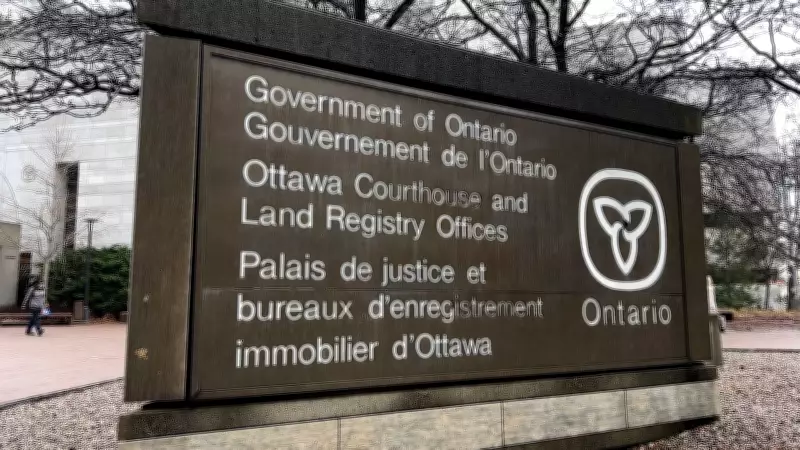
In a deeply somber and emotionally charged courtroom in Ottawa, the trial of a mother and her former boyfriend, both charged with the second-degree murder of her infant child in 2021, reached a critical juncture as closing arguments were presented. The proceedings, which have drawn significant public attention, saw the defendants, whose identities are protected under publication bans, each pointing fingers at the other in a desperate bid to shift blame for the tragic death of the baby.
A Case Shrouded in Tragedy and Accusations
The trial, presided over by a judge in the Ontario Superior Court, has unfolded over several weeks, with prosecutors meticulously laying out evidence that paints a grim picture of neglect and potential violence leading to the infant's demise. The mother, who was in her late teens at the time of the incident, and her former partner, a man in his early twenties, have both pleaded not guilty, maintaining their innocence throughout the legal process.
Defense Strategies: A Battle of Blame
During the closing arguments, the defense attorneys for the two accused presented starkly contrasting narratives. The mother's legal team argued that her former boyfriend was solely responsible for the baby's death, citing alleged patterns of abusive behavior and inconsistencies in his testimony. They emphasized her youth and purported vulnerability, suggesting she was coerced or manipulated into silence.

Conversely, the ex-boyfriend's defense countered by portraying the mother as negligent and unfit, claiming she failed to provide adequate care for the child. His lawyers highlighted evidence of her prior actions and statements, aiming to cast doubt on her credibility and shift the focus away from their client. This back-and-forth blame game has left the jury with the daunting task of sifting through conflicting accounts to determine culpability.
Prosecution's Case: Building a Narrative of Guilt
The Crown prosecutors, in their closing remarks, urged the jury to look beyond the mutual accusations and consider the totality of the evidence. They presented forensic reports, witness testimonies, and digital records that, according to them, point to a shared responsibility or a cover-up. The prosecution stressed that the baby's death was preventable and that both defendants had a duty of care that was grievously breached.
Key pieces of evidence included medical examinations revealing the cause of death, which has been ruled as homicide, and timeline reconstructions placing both individuals at the scene during the critical period. The emotional weight of the case was palpable in the courtroom, with family members of the deceased infant present, seeking justice for the lost life.
Legal and Social Implications
This trial has sparked broader conversations about child welfare, domestic violence, and the legal system's handling of such sensitive cases. Advocates for victims' rights have been closely monitoring the proceedings, calling for stricter protections for vulnerable children and more robust support systems for young parents in crisis.
As the jury deliberates, the outcome of this trial could set precedents for how similar cases are prosecuted in Canada, particularly those involving young defendants and allegations of mutual blame. The community in Ottawa and beyond awaits the verdict with bated breath, hoping for closure in a tragedy that has left an indelible mark.
The judge is expected to provide final instructions to the jury soon, after which they will retire to consider the evidence and reach a decision. Regardless of the verdict, this case underscores the profound complexities and heart-wrenching realities of criminal justice in matters of life and death.