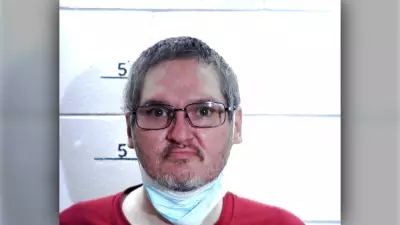
French judicial authorities have announced that a specialized cold case unit is now actively reviewing the disturbing crimes of Dominique Pelicot. This development comes after Pelicot's own shocking admissions regarding the assault of his wife.
Gruesome Admissions Under Scrutiny
The case centres on Dominique Pelicot, who has confessed to a series of horrific acts. According to his statements and subsequent investigations, Pelicot admitted to drugging his 71-year-old wife, rendering her unconscious. He then exploited her vulnerable state by inviting strangers to their home to sexually assault her while she was incapacitated.
The precise timeline of these events and the full scope of his actions are now the focus of the renewed investigative effort. Prosecutors have not disclosed what new evidence or leads prompted the cold case review, but such units typically employ modern forensic techniques and re-interview witnesses to shed new light on old files.
The Role of Cold Case Investigations
Cold case units are dedicated teams within law enforcement that revisit unsolved or dormant investigations, often years or decades after the initial crime. Their work is crucial in pursuing justice for victims and their families when original leads have gone cold. The involvement of such a unit in the Pelicot case suggests authorities are committed to ensuring every aspect of his crimes is fully examined and prosecuted to the fullest extent of the law.
The announcement, made public on January 16, 2026, confirms that the French justice system continues to pursue this harrowing case. While Pelicot has already made significant admissions, the cold case review could uncover additional victims, accomplices, or aggravating circumstances that were previously unknown.
Seeking Justice and Closure
Cases involving sexual violence and the betrayal of trust within a marriage are profoundly traumatic. The decision to re-examine Pelicot's actions signals a determination to leave no stone unturned. For the victim and others who may be affected, this procedural step can be a critical part of the long path toward accountability and healing.
The work of the cold case unit will now proceed independently, with findings likely to be presented to an investigating magistrate or court in due course. This development serves as a reminder that justice can remain an active pursuit, even for crimes that have already seen partial confessions.