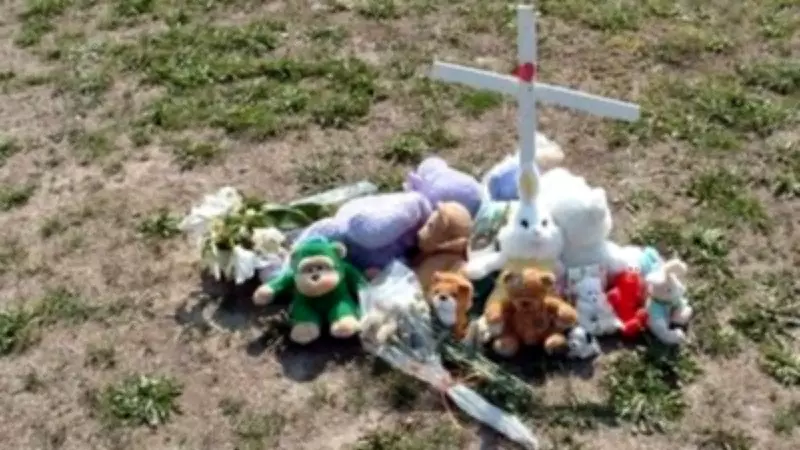
In a remarkable development for a cold case that has lingered for over two decades, police in Kitchener have announced a breakthrough using cutting-edge DNA technology to identify the mother of a newborn baby found dead in 2005. The identification, revealed on February 26, 2026, stems from advanced forensic analysis that has finally provided answers in a tragic and long-unsolved investigation.
Decades-Old Mystery Unraveled Through Scientific Innovation
The case dates back to 2005 when the body of a newborn baby, later referred to as Baby Parker, was discovered under distressing circumstances. For years, the identity of the infant's mother remained unknown, leaving investigators and the community grappling with unanswered questions. Police have now disclosed that recent advancements in DNA analysis, specifically through a technique known as investigative genetic genealogy, enabled them to trace familial connections and pinpoint the mother's identity.
Memorial Photo Highlights Emotional Impact
Authorities released an undated photo of a memorial dedicated to Baby Parker, underscoring the emotional weight of the case and the ongoing remembrance within the community. This visual serves as a poignant reminder of the loss and the prolonged quest for closure that has now taken a significant step forward.

The breakthrough is part of a broader trend in law enforcement leveraging DNA technology to solve cold cases, particularly those involving unidentified remains or long-standing mysteries. In this instance, the application of such methods has not only identified the mother but also opened new avenues for understanding the circumstances surrounding the baby's death, though specific details about the mother or potential charges have not been disclosed at this time.
Implications for Future Investigations
This development highlights the evolving role of science in criminal justice, where DNA and genetic tools are increasingly pivotal in resolving cases that once seemed insurmountable. As technology continues to advance, it offers hope for other families awaiting answers in similar situations, potentially transforming how police approach historical investigations.
While the identification marks a critical milestone, police emphasize that the investigation remains active, with efforts focused on gathering further evidence and determining the full context of the events from 2005. The community is urged to come forward with any additional information that might assist in bringing complete resolution to this heartbreaking case.