Personal Tragedy Exposes Persistent Impaired Driving Crisis in Alberta
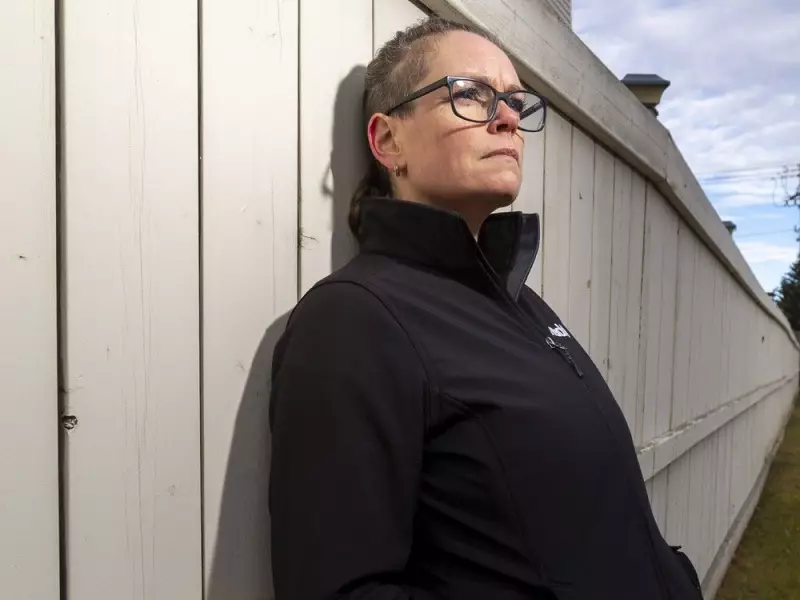
For Edmonton paramedic Allison Tatham-Eisbrenner, emergency calls typically evoke a complex mix of professional emotions—from adrenaline-fueled urgency to moments of profound anxiety. However, one devastating phone call twelve years ago transcended all professional boundaries, forever altering her personal world.
"It's not often my mom would phone me while I'm at work," Tatham-Eisbrenner recalls. "The first thing she says to me is, 'Allison, you have to come home.' I told her you need to tell me what happened. She said, 'Your dad's dead. He was killed in a car crash this morning.'"
That moment on June 8, 2014, marked a permanent turning point for the healthcare professional, whose father Garry Tatham was killed in Regina while simply driving to his favorite car wash. The family patriarch had stopped at a traffic light when a truck traveling nearly 100 km/h violently rear-ended his vehicle.

A Preventable Tragedy with Lasting Consequences
The collision's force was catastrophic. "From the speed and force, the front end of the truck ended up in the back seat of my dad's car," Tatham-Eisbrenner explains. "His seat broke from impact, and my dad's neck was broken. He died on impact, which was a blessing and a curse, because you don't get to say your goodbyes."
Witnesses observed several beer cans tumbling from the offending vehicle as the driver, Brian Okemahwasin, attempted to flee the scene. An off-duty police officer detained him until authorities arrived. Subsequent investigation revealed Okemahwasin had four previous drunk driving convictions alongside a documented history of criminal behavior and alcohol abuse.
During sentencing proceedings, the court learned Okemahwasin admitted hours after the collision that he had been drinking and driving throughout the night, unaware he was even in Regina. His blood-alcohol concentration measured nearly four times the legal limit.
"He was sentenced to nine years in prison," notes Tatham-Eisbrenner, "which at the time was the longest prison sentence handed down for a single impaired driving collision."
Statistical Progress Masks Ongoing Human Toll
While national statistics show encouraging trends—deaths involving drinking drivers decreased approximately 60 percent between 1996 and 2021 according to Traffic Injury Research Foundation data, and police-reported impaired driving incidents dropped 20 percent from 2009 to 2022—the human cost remains devastatingly real.
"Every day, someone doesn't get home," Tatham-Eisbrenner emphasizes, highlighting how complacency around impaired driving continues to claim lives despite overall improvements. Public Safety Canada numbers confirm that while enforcement, vehicle safety enhancements, and criminal justice policies have contributed to reductions, impaired driving persists as a significant public health concern.
For Tatham-Eisbrenner, sharing her painful experience has become part of her healing journey. "To support people who have had this same thing happen to them, or something very similar, has been incredibly beneficial for me and my own journey and my own healing," she reflects.
Her story underscores a critical reality: behind every statistic lies personal tragedy, and despite progress, impaired driving continues to devastate Canadian families with alarming regularity. The combination of personal responsibility, continued enforcement, and public awareness remains essential to addressing this preventable cause of loss.