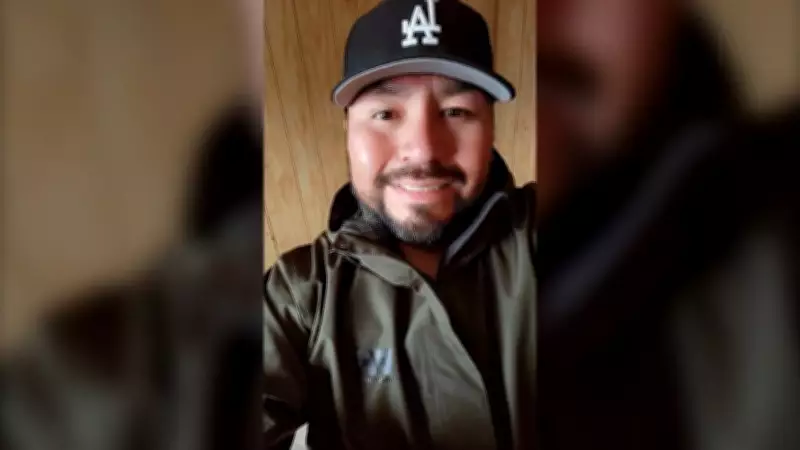
Manitoba Government Mandates Public Inquest into Custody Death of Indigenous Man
The province of Manitoba has officially announced it will conduct a public inquest into the death of Elias Whitehead, a 37-year-old Indigenous man who passed away while in police custody last fall. This decision comes amid ongoing concerns and calls for transparency regarding interactions between law enforcement and Indigenous communities.
Details of the Incident and Provincial Response
Elias Whitehead died on October 15 after experiencing medical distress while detained by police. The circumstances surrounding his death have prompted significant public attention and demands for accountability. The provincial government's call for an inquest represents a formal step toward investigating the events that led to this tragedy.
The inquest will be conducted by a provincial court judge or coroner, who will examine evidence, hear testimony, and ultimately make recommendations aimed at preventing similar deaths in the future. Such proceedings are typically public, allowing for community oversight and transparency in the investigative process.

Broader Context and Community Impact
This case occurs within a larger national conversation about police interactions with Indigenous individuals and the need for systemic reforms. Indigenous communities and advocacy groups have long highlighted disproportionate rates of violence and deaths in custody, making this inquest a critical moment for Manitoba.
The provincial government has emphasized that the inquest will follow standard legal procedures, focusing on determining the facts of Whitehead's death rather than assigning blame. However, community leaders are likely to monitor the process closely, given historical tensions and calls for justice in similar cases.
Expected Outcomes and Next Steps
The inquest is expected to:
- Review medical and police records related to the incident
- Interview witnesses and involved officers
- Assess the adequacy of medical response and custody protocols
- Issue recommendations for policy changes or training improvements
While no timeline has been specified for the inquest's completion, such investigations often take several months to conclude. The findings could influence broader discussions on policing practices and Indigenous relations in Manitoba and beyond.
This development follows other recent provincial actions addressing Indigenous issues, though it stands out as a direct response to a specific, tragic incident. The outcome of this inquest may have lasting implications for how similar cases are handled in the future.