Île-à-la-Crosse Residential School Survivors Reach $27 Million Settlement Pending Court Approval
The provincial and federal governments have agreed to a comprehensive settlement in the class action lawsuit for survivors of Saskatchewan's Île-à-la-Crosse residential school. The proposed $27.335 million settlement agreement still requires approval from a Saskatoon judge next month before compensation can be distributed to eligible claimants.
Court Review Scheduled for March
A news release confirmed that the proposed settlements must undergo judicial review in March, when a judge will determine whether the agreement is fair and in the best interests of class members. The settlement approval hearing is scheduled for March 30 at Saskatoon's Court of King's Bench, with options for both in-person and online attendance for class members and the public.
The settlement package includes multiple components:

- $27.335 million for experience payments to survivors
- $10 million Legacy Fund for community support and healing initiatives
- $40.2 million allocated for abuse claims, legal fees, and potential additional experience payments
Compensation Structure and Eligibility
Under the proposed settlement, individuals who attended the school for less than five years may receive up to $10,000, while those who attended for five years or more could receive up to $15,000. Eligibility extends to people who attended the school and were alive as of December 9, 2003. If an eligible survivor passed away on or after that date, their estate or eligible heirs may participate in the settlements.
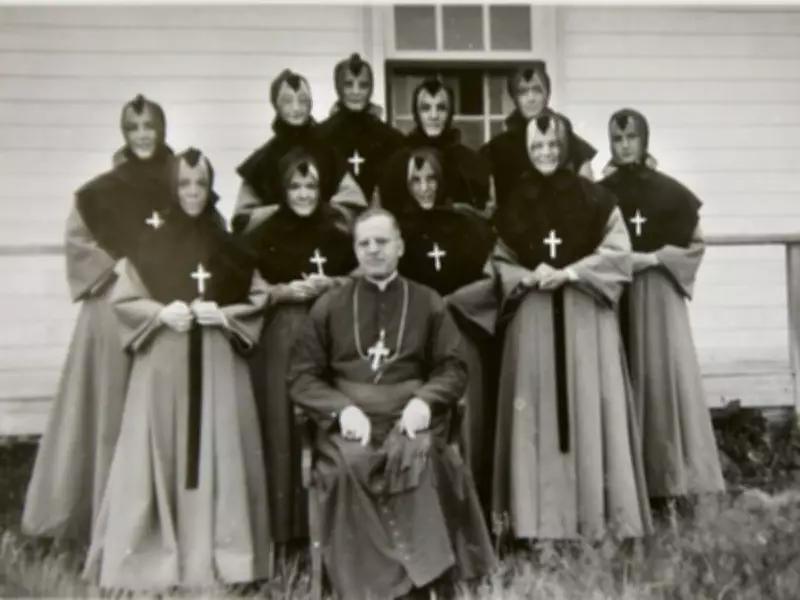
The Île-à-la-Crosse residential school operated from the 1820s until 1976, with approximately 1,500 students attending during its operation. Most attendees were Métis children from northern Saskatchewan who were forcibly removed from their homes as part of assimilation policies.
Historical Context and Significance
Children at the school suffered systematic abuse by staff, with many students under the age of 10 separated from family members and punished for speaking their native languages. The school was notably excluded from the list of residential schools eligible for survivor compensation under the Indian Residential School Settlement Agreement of 2006, making this settlement particularly significant for affected communities.
"These proposed settlements represent an important step toward accountability and recognition of the harms experienced by survivors and their families," said Margaret Waddell, counsel for the class action. "While no settlement can undo the damage caused to the survivors and their families, this process is intended to provide meaningful compensation and support healing for those affected."
Legal Journey and Next Steps
Survivors first launched a proposed class action lawsuit against the federal government in January 2023, with an agreement in principle reached in 2025. The current settlement represents the culmination of this legal process, though compensation distribution cannot begin until after court approval next month.
The comprehensive nature of the settlement acknowledges both the financial compensation needed by survivors and the broader need for healing and community support through the Legacy Fund. This development marks a significant milestone in addressing historical injustices against Indigenous communities in Saskatchewan.