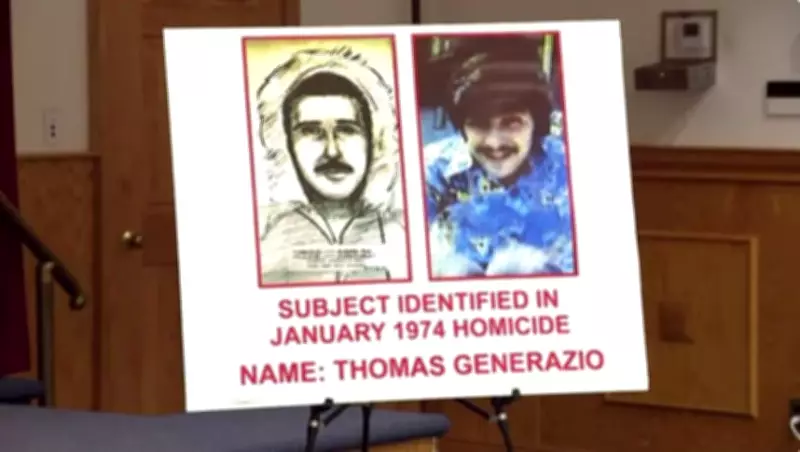
Decades-Old Long Island Murder Case Finally Closed Through DNA Breakthrough
After more than half a century of uncertainty, a brutal rape and murder case that haunted Long Island communities has finally been solved, according to police authorities. The breakthrough came through sophisticated DNA technology that linked a former Oceanside sanitation worker to the 1974 killing of Barbara Waldman, bringing closure to a mystery that persisted for 52 years.
The Cold Case That Defied Resolution
Barbara Waldman's murder in 1974 remained one of Long Island's most perplexing unsolved crimes for decades. Despite extensive investigations over the years, the case grew cold as traditional investigative methods failed to produce a suspect. The passage of time only deepened the mystery surrounding her death, leaving family members and law enforcement frustrated by the lack of answers.
Modern forensic science has revolutionized cold case investigations, providing tools that were unimaginable when the crime originally occurred. In this instance, advanced DNA analysis techniques allowed investigators to re-examine evidence with unprecedented precision, ultimately leading to the identification of a suspect who had eluded detection for generations.

How DNA Technology Cracked the Case
The specific DNA technology employed in this investigation represents the cutting edge of forensic science. Unlike earlier methods that required substantial biological samples, contemporary techniques can extract usable genetic material from minute traces left at crime scenes. This capability proved crucial in re-examining evidence preserved from the 1974 murder scene.
Investigators utilized genetic genealogy databases and advanced sequencing methods to connect biological evidence to the suspect. The former sanitation worker, whose identity has not been publicly disclosed pending formal charges, was linked to the crime through this sophisticated analysis, demonstrating how technological advancements are breathing new life into investigations once considered hopeless.
Implications for Cold Case Investigations Nationwide
This resolution highlights several important developments in criminal justice:
- DNA technology continues to evolve, enabling solutions to cases previously considered unsolvable
- Law enforcement agencies are increasingly dedicating resources to re-examining cold cases with new forensic tools
- The psychological impact on victims' families demonstrates why these investigations remain crucial decades after crimes occur
- Legal systems must adapt to address evidentiary and procedural challenges posed by delayed prosecutions
Police officials emphasized that this breakthrough should give hope to families of other cold case victims, suggesting that time no longer provides the protection it once did for perpetrators of violent crimes. As DNA databases expand and analytical methods improve, more historical cases may see similar resolutions in coming years.
A Community's Long-Awaited Closure
For Long Island residents who remember the original investigation, this development brings mixed emotions. While relieved that justice may finally be served, many recall the fear that permeated the community following Waldman's murder. The case's resolution serves as a reminder of both the persistence of law enforcement and the transformative power of scientific advancement in the pursuit of justice.
The successful application of DNA technology in this 52-year-old case establishes an important precedent for how historical crimes might be addressed in the future. As forensic capabilities continue to advance, more families may eventually receive answers to questions that have lingered for decades, providing closure that once seemed impossible.