Saskatoon Police Charge Man in 2001 Sexual Assault Case Using DNA Evidence
In a significant development in a long-dormant case, Saskatoon police have charged a 52-year-old man in connection with an alleged sexual assault that occurred nearly 25 years ago. The arrest, made this month, was based on DNA evidence collected at the time of the incident, highlighting the enduring power of forensic science in solving cold cases.
Details of the 2001 Incident
According to a police news release issued on Wednesday, the case dates back to September 2001, when a female youth reported being sexually assaulted in the 800 block of Avenue E North in Saskatoon. As part of the initial investigation, a sexual assault kit was administered, preserving crucial biological evidence that would later prove pivotal.
For over two decades, the case remained unsolved, with the investigation likely facing numerous challenges. However, police revealed that this month, they received a breakthrough: a DNA match had been identified, linking the evidence from 2001 to a suspect. This discovery underscores the importance of retaining and re-examining forensic materials in historical cases.

Arrest and Charges
The suspect, identified as Lambert Douglas Scott, was arrested and charged on Tuesday with multiple offences. The charges include:
- Sexual assault with a weapon
- Wearing a disguise during the commission of an offence
- Uttering threats to cause death
- Mischief
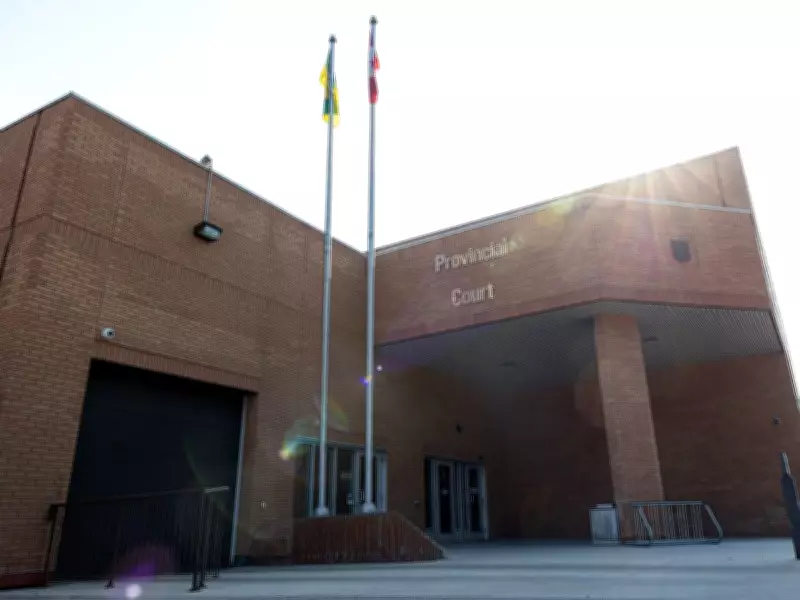
Scott made his first court appearance on Wednesday in Saskatoon Provincial Court and is scheduled to return to court on April 2. The charges reflect the serious nature of the alleged crimes, with the weapon and disguise elements suggesting a premeditated and violent act.
Implications of DNA Technology in Cold Cases
This case serves as a stark reminder of how advancements in DNA technology are revolutionizing law enforcement efforts, particularly in resolving historical sexual assaults. The ability to match DNA samples from old evidence kits to suspects can bring closure to victims and accountability to perpetrators, even after many years.
Police have not disclosed what prompted the recent DNA analysis, but such re-examinations are often part of broader initiatives to address backlogs or leverage updated forensic databases. The successful identification in this instance may encourage similar reviews of other unsolved cases in Saskatoon and beyond.
As the legal proceedings unfold, this case will likely draw attention to the ongoing challenges in prosecuting cold cases, including evidence preservation and witness availability. Nonetheless, it stands as a testament to the persistence of investigators and the evolving tools at their disposal.