Montreal Coroner Mandates Public Inquiry into Homeless Deaths
A Quebec coroner has issued a formal order for a public inquiry into the deaths of homeless people in Montreal, a move that underscores the escalating humanitarian crisis in the city's streets. This decision follows mounting public pressure and alarming statistics revealing a sharp increase in fatalities among the unhoused population during recent years.
Systemic Failures Under Scrutiny
The inquiry aims to investigate the root causes and circumstances surrounding these tragic deaths, with a focus on systemic failures in housing, healthcare, and social services. Coroner's officials have emphasized that the probe will examine whether adequate measures were in place to protect vulnerable individuals, especially during extreme weather conditions and public health emergencies.
This is not just about counting bodies, said a spokesperson for the coroner's office. It's about understanding why these deaths occurred and what can be done to prevent future tragedies. The inquiry is expected to hear testimonies from social workers, medical professionals, and homeless advocates, as well as review policies and funding allocations at municipal and provincial levels.

Context of a Growing Crisis
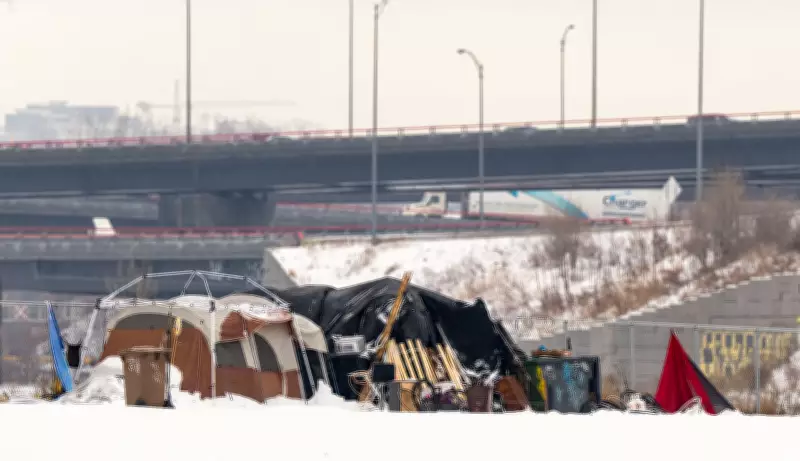
Montreal has witnessed a significant rise in homelessness, with encampments becoming a common sight in parks and under highways. The city's harsh winters pose particular dangers, leading to hypothermia, frostbite, and other life-threatening conditions. Additionally, issues such as mental health challenges, substance abuse, and lack of access to permanent shelter have exacerbated the situation.
Recent data indicates that over the past two years, the number of homeless deaths in Montreal has surged by more than 30%, prompting calls for immediate intervention. Advocacy groups have long argued that existing support systems are insufficient and fragmented, leaving many without the necessary resources to survive.
Expected Outcomes and Recommendations
The public inquiry is slated to begin within the next few months and will likely span several weeks. Key objectives include:
- Identifying specific gaps in services and protections for homeless individuals.
- Evaluating the effectiveness of current emergency response protocols.
- Providing actionable recommendations to improve housing stability and healthcare access.
- Enhancing coordination between government agencies and non-profit organizations.
Officials hope that the findings will lead to policy reforms and increased funding for homeless services, ultimately reducing preventable deaths. The coroner's order has been widely welcomed by community leaders, who see it as a critical step toward accountability and change.
This inquiry is a beacon of hope, remarked a local homeless advocate. It signals that the lives of our most marginalized citizens matter and that we must do better as a society. As Montreal grapples with this ongoing crisis, the public inquiry represents a pivotal moment in addressing the deep-seated issues of poverty and inequality in the city.